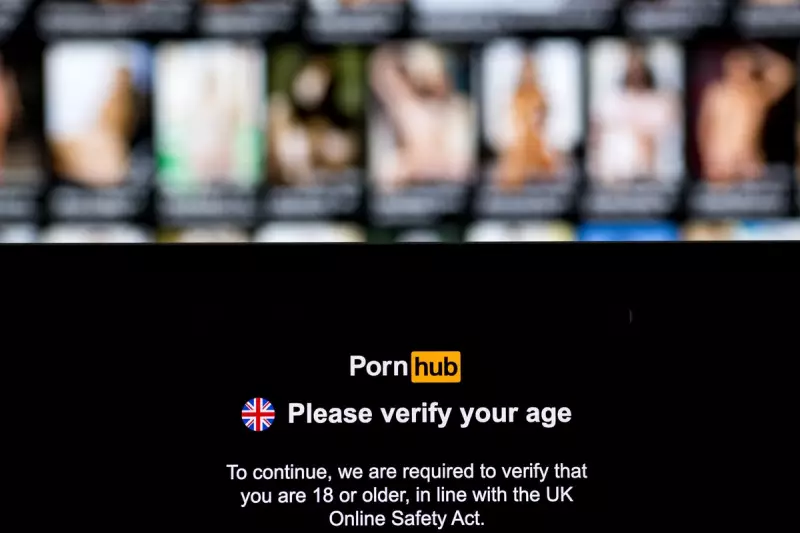
In a significant development for digital regulation in Britain, the parent company of the world's largest adult content platform has announced it will restrict access for new users in the United Kingdom from next month. Aylo, which operates PornHub, has taken this decisive step while launching a scathing critique of the nation's recently implemented Online Safety Act, labelling the legislation's framework a "failed system."
A Direct Response to Regulatory Mandates
The move comes as a direct response to the Online Safety Act, which came into full force in July of last year. This landmark legislation mandates that pornography websites implement robust age verification mechanisms. The primary objective is to create a digital barrier, preventing children and young people from accessing material deemed harmful or inappropriate for their age group.
Criticism of the Act's Implementation
However, Aylo has publicly contested the efficacy and safety of the Act's requirements. In a strongly worded statement, the company argued that the current system, as enforced, paradoxically makes the internet more dangerous. They claim it jeopardises the privacy and personal data security of all UK citizens, both adults and minors. The firm suggests that the prescribed verification methods could expose users to greater risks of data breaches and surveillance, rather than providing a secure solution.

Existing users of PornHub in the UK who have already undergone age verification processes will not be affected by this change and will retain full access to the platform. The restriction applies solely to new registrations attempting to sign up from within the UK from February onwards. This creates a two-tier system where current users can continue while the platform effectively closes its doors to new British audiences.
Regulatory Stance and Industry Adoption
The communications regulator, Ofcom, which oversees enforcement of the Online Safety Act, has responded to the announcement. A spokesperson clarified that the legislation provides adult sites with a clear choice: they must either implement compliant age verification checks or block access to UK users entirely. Ofcom noted that many other pornography services have already successfully adopted the required age assurance technologies and are operating in full compliance with the new rules.
The regulator emphasised its commitment to continuing enforcement and ensuring a consistent standard across the industry to protect children online. This stance highlights a growing divergence between some platform operators and the regulatory vision for a safer internet, setting the stage for ongoing debates about privacy, enforcement, and digital rights in the UK.