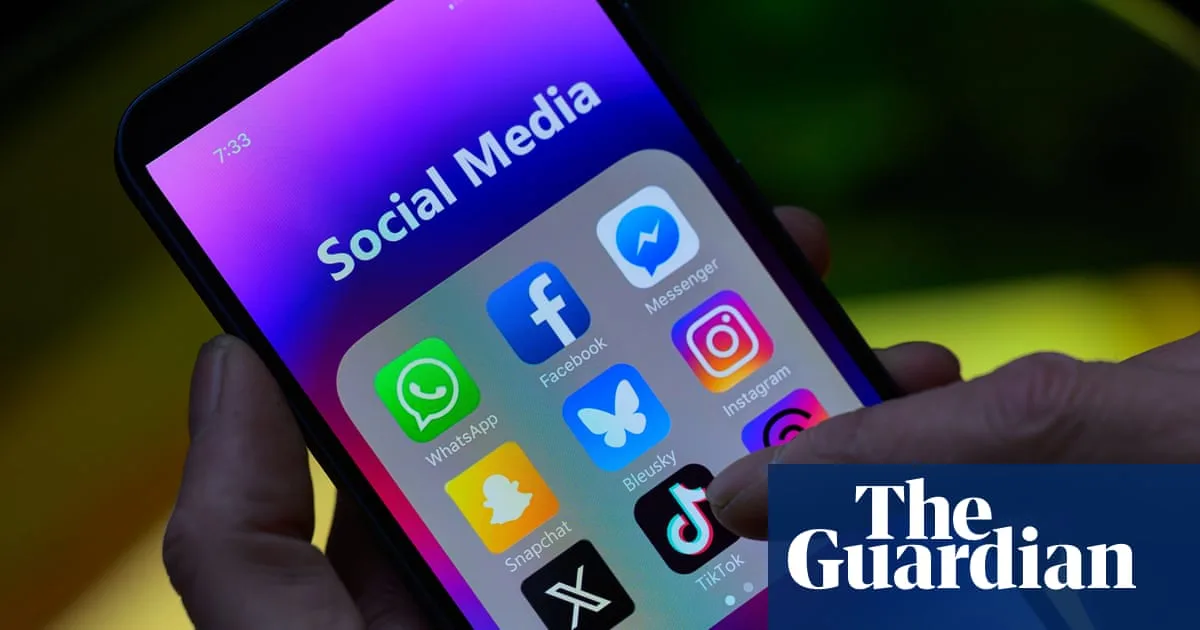
The Spanish government has announced it will ask prosecutors to investigate social media companies X, Meta, and TikTok over allegations that their artificial intelligence systems generate and disseminate child sexual abuse material. Prime Minister Pedro Sánchez said the move aims to protect children's mental health and dignity, and to end the 'impunity' of large online platforms.
The decision follows an expert report that analysed potential criminal liability for practices such as generating and spreading sexual content involving children through deepfakes and manipulated images. The report warned that social media firms may be involved by allowing massive dissemination with speed and opacity, hindering detection and prosecution.
The investigation, agreed by the cabinet on Tuesday, comes as Spain prepares a social media ban for under-16s and legislation to hold tech companies responsible for harmful content. It also follows a European Commission probe into X's AI chatbot Grok over sexually explicit images and child sexual abuse material.

Ireland's Data Protection Commission has launched a separate inquiry into X's Grok functionality, focusing on whether users can prompt the AI to generate sexualised images of real people, including children. Deputy Commissioner Graham Doyle stated the investigation will assess compliance with GDPR obligations.
Government spokesperson Elma Saiz said Madrid would not allow digital sexual violence against children to be 'amplified or protected' by algorithms. Meta declined to comment, citing lack of detail, but emphasised its strong stance against child sexual exploitation. TikTok sources called child sexual abuse material 'abhorrent' and said it is prohibited on the platform.
The move has drawn sharp criticism from tech leaders. Elon Musk called Sánchez a 'tyrant' and 'fascist totalitarian', while Telegram co-founder Pavel Durov also expressed anger. Sánchez previously described social media as a 'failed state' where laws are ignored and crimes tolerated.