In a landmark legal confrontation, some of the world's most powerful technology corporations are set to face unprecedented scrutiny in open court. Meta, YouTube, TikTok and Snap are accused of deliberately engineering their social media platforms to be addictive and harmful to young users, with the first in a series of major trials commencing this week.
Unprecedented Legal Battle Over Youth Mental Health
For the first time, a massive coalition comprising hundreds of American families, teenagers and school districts is taking direct legal action against the social media behemoths. The plaintiffs allege that once young people become hooked on these platforms, they frequently fall prey to severe mental health issues including depression, eating disorders and self-harm. Approximately 1,600 plaintiffs are involved in the proceedings, representing more than 350 families and 250 school districts across the United States.
Matthew Bergman, founder of the Social Media Victims Law Center and an attorney representing the plaintiffs, emphasised the historic nature of the case. "The fact that a social media company is going to have to stand trial before a jury ... is unprecedented," he stated during a recent press briefing.

Bellwether Trials Commence in Los Angeles
The initial trial, expected to last six to eight weeks, began in Los Angeles superior court. It involves a 19-year-old plaintiff identified in court documents by the initials KGM, who alleges she developed significant mental health issues at a young age after becoming addicted to social media applications. This case represents the first of approximately 22 "bellwether" trials that will serve as test cases to gauge jury reactions and potential verdicts.
Ultimately, these landmark proceedings will consolidate thousands of coordinated lawsuits through what is known as a judicial council coordination proceeding (JCCP). The plaintiffs are seeking both financial damages and injunctive relief that would fundamentally alter platform designs and establish industry-wide safety standards for protecting young users.
Internal Documents and Executive Testimony Expected
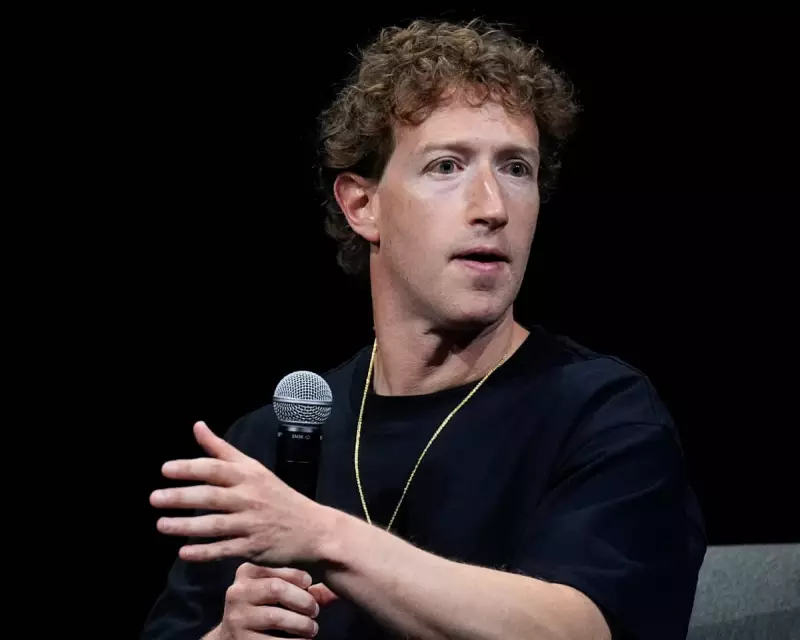
Key witnesses are anticipated to include top executives from the implicated companies, with Meta's Mark Zuckerberg, Snap's Evan Spiegel and Instagram's Adam Mosseri potentially facing rigorous questioning under oath. The legal team plans to present troves of previously sealed internal company documents during the trials.
Julia Duncan, an attorney with the American Association for Justice involved in the case, revealed that some unsealed documents show company employees acknowledging the addictive nature of their platforms. "For example, one unsealed document shows an Instagram employee calling the app a 'drug' and another employee saying, 'lol, we're basically pushers'," Duncan explained.
Legal Strategy Mirroring Tobacco Litigation
The plaintiffs' legal team is employing a strategy reminiscent of that used against tobacco companies in the 1990s, focusing on product addictiveness and alleged corporate knowledge of harms. Sacha Haworth, executive director of the Tech Oversight Project which has advocated for the plaintiffs, suggested settlements might indicate companies wish to avoid public disclosure. "You don't settle unless you don't want that stuff to be public ... The public doesn't really know what is coming," Haworth remarked.
Just before KGM's trial commenced, Snap reached a confidential settlement agreement while denying wrongdoing. The company remains a defendant in other suits within the state-level trial, while Meta, TikTok and YouTube have made no settlement agreements to date.
Platforms' Defences and Section 230 Protection
The social media companies have consistently argued that individual users determine how they engage with their services. They have long maintained protection under Section 230 of the Communications Decency Act, a federal law that typically exempts platforms from legal liability for user-generated content.

However, Bergman contends this case differs significantly. "The social media companies 'operate in the world in a way that no other company does' since they have long been absolved from liability because of section 230," he stated. The presiding judge ruled in November that jurors must examine not only platform content but also the companies' fundamental design choices.
YouTube spokesperson José Castañeda defended the platform's approach, calling the allegations "simply not true" and emphasising that providing young people with a "safer, healthier experience has always been core to our work." Meta and Snap declined to comment, while TikTok offered no statement.
Broader Legal and Political Context
A separate series of federal trials is scheduled for June in San Francisco through multi-district litigation (MDL), involving similar allegations with more than 235 plaintiffs including attorneys general from nearly three dozen states. These legal actions follow numerous whistleblower revelations and intense congressional scrutiny.
During a January 2024 hearing, Republican senator Josh Hawley prompted Meta's Mark Zuckerberg to issue a public apology regarding platform safety. Despite this, families involved in the trials allege company executives knowingly allowed harm to continue.
Juliana Arnold, a founding member of Parents RISE whose teenage daughter died in 2022 after messaging a drug dealer on Instagram, expressed the widespread parental concern. "Every parent is struggling with their kids and these platforms. Every parent," she said. "We've been waiting for this for years – to let the truth come out."
Bergman summarised the plaintiffs' core allegation starkly: "There is a lost generation of kids ... This was not an accident, this was not a coincidence ... this was a design choice." The outcome of these landmark trials could fundamentally reshape how social media platforms are designed and regulated globally, potentially creating new legal avenues for holding technology giants accountable for their products' impacts on youth mental health.