Six grieving families have launched a landmark legal action against TikTok, alleging the social media giant bears responsibility for the deaths of their children who attempted a viral 'choking challenge' promoted on its platform. The case involves one family from Delaware and five from across the United Kingdom, all mourning teenagers aged between 11 and 17.
Families Seek Justice and Legislative Change
The lawsuit, filed in Delaware's Superior Court, centres on the 'Blackout Challenge' – a dangerous trend that encourages users to choke themselves until losing consciousness. Representing the families, attorney Matthew Bergman argues TikTok's algorithm actively exposes young users to harmful material. "TikTok has a For You page that deluges young people, young kids with dangerous material," Bergman stated. "Not material kids want to see, material they can't turn away from."
Personal Tragedies Behind the Legal Action
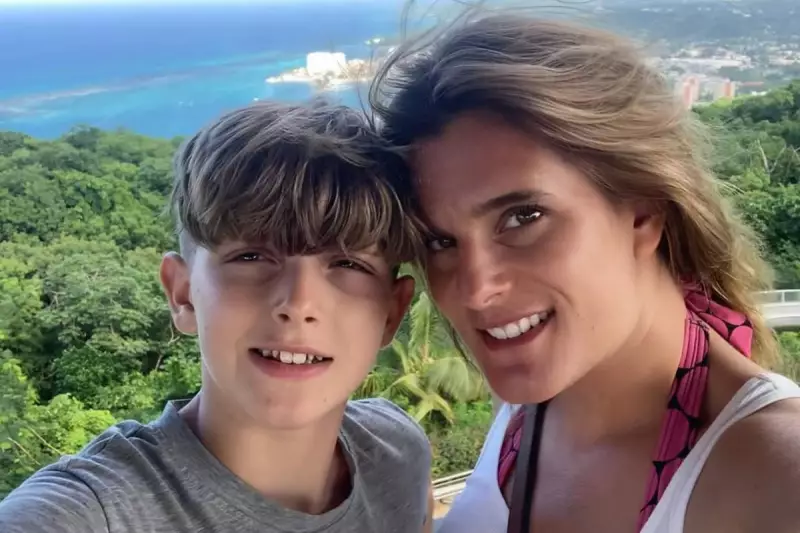
Michelle Ortiz from Delaware lost her son, Jaedon Bovell, in 2020. Speaking to local media, she expressed her motivation for joining the lawsuit: "I'm not doing this for any other reason than I don't want another mother to feel this way." Ortiz emphasised how children's developing brains struggle to comprehend the permanence of such dangerous actions.

From the UK, Ellen Roome mourns her son Julian "Jools" Sweeney, whose tragic death has inspired proposed legislation. "I want to see what my child was looking at, and if it is social media, I want accountability," Roome told the BBC. "Social media companies are feeding our children harmful material."
The Push for Jools' Law
The families are supporting Jools' Law, named after Julian Sweeney, which would require social media companies to preserve a child's online data within five days of their death. Currently, privacy regulations in both the UK and US mean such data is typically deleted, making investigations into online activity extremely difficult.
Louise Gibson, another UK parent involved in the case, lost her 11-year-old son Noah in December 2021. "When I was checking Noah's phone, I was looking for messages from school friends. I was looking for bullying," she revealed. "I never thought to check social media to see what he'd been looking at."
TikTok's Legal Defence and Content Moderation Claims
In court filings, TikTok has mounted a robust defence, citing both jurisdictional issues and legal protections. The company argues Delaware courts lack jurisdiction over British cases and maintains that the Communications Decency Act shields internet platforms from liability for third-party content.
Furthermore, TikTok representatives invoked First Amendment protections during recent hearings, while simultaneously emphasising their content moderation efforts. A company spokesperson stated: "We strictly prohibit content that promotes or encourages dangerous behaviour. Using robust detection systems and dedicated enforcement teams to proactively identify and remove this content, we remove 99% that's found to break these rules before it is reported to us."
Additional Tragedies and Ongoing Proceedings
The lawsuit also involves families of Archie Battersbee, Isaac Kenevan, and Maia Walsh – all teenagers who allegedly died attempting the same challenge. The case remains in preliminary stages, with TikTok recently filing a motion to dismiss the civil action.
Despite expressing "deepest sympathies" to the affected families, TikTok maintains its platform safety measures are comprehensive. The company's legal team has questioned whether US courts should adjudicate matters involving foreign nationals, though Bergman countered that this "is not the first time foreign nationals have sought justice in a US court."
As the legal battle unfolds, these six families continue their painful quest for answers, accountability, and preventative measures that might spare other parents from experiencing similar tragedies.