Government Launches Consultation on Social Media Restrictions for Children
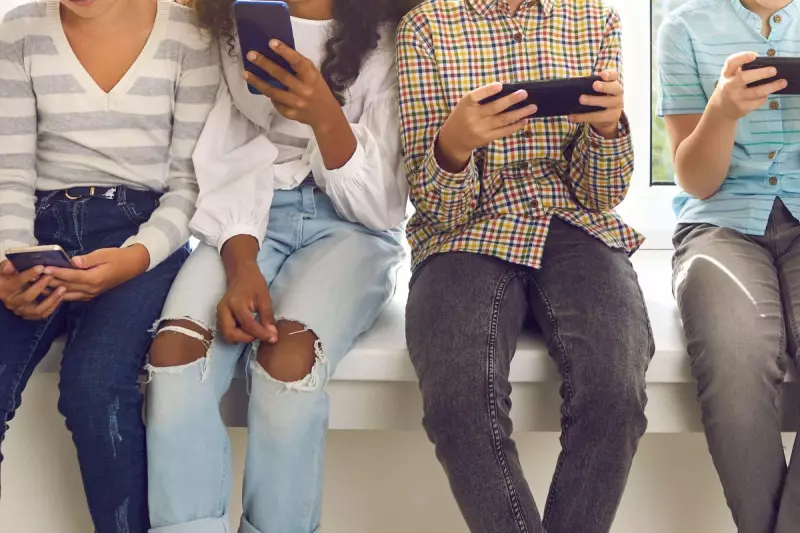
Technology Secretary Liz Kendall has announced a comprehensive consultation on measures to protect children online, including a potential ban on social media for those under 16 and the introduction of overnight curfews. The move comes amid growing concerns about the impact of digital platforms on young people's wellbeing.
Proposed Measures to Safeguard Childhood
In a statement to the Commons, Ms Kendall declared her determination to give children "the childhood they deserve" by addressing the risks posed by social media. The consultation will explore raising the digital age of consent to prevent companies from using children's data without proper consent and restricting addictive app design features.
The proposed measures include:

- A potential ban on social media access for under-16s
- Overnight curfews to limit late-night usage
- Breaks to prevent excessive use and doom-scrolling
- Stronger enforcement of existing age verification laws
- Action against VPN usage to bypass protections
Political Responses and External Pressures
The announcement has sparked varied reactions across the political spectrum. Conservative leader Kemi Badenoch criticised the consultation as "more dither and delay" from Labour, pledging that her party would implement an immediate ban if in power. Meanwhile, Liberal Democrats education spokeswoman Munira Wilson warned against "kicking the can down the road" and called for film-style age ratings instead.
Esther Ghey, mother of murdered teenager Brianna Ghey, has publicly supported a ban, describing her daughter's social media addiction and constant online fears. This personal testimony adds emotional weight to the growing calls for action.
Educational Implications and School Policies
As part of the broader strategy, Ofsted will examine schools' mobile phone policies during inspections, though this approach has drawn criticism from teaching unions. Paul Whiteman of the NAHT described the suggestion of Ofsted "policing" school policies as "deeply unhelpful and misguided," while Pepe Di'Iasio of the Association of School and College Leaders called for more resources to support phone storage in schools.
Labour MP Helen Hayes pressed for a statutory ban on mobile phones in schools to help teachers enforce policies, though Ms Kendall emphasised that "there is no place for phones in schools" regardless of the specific model adopted.
Broader Context and International Comparisons
The consultation follows Australia's implementation of a social media ban for under-16s in December, with ministers planning to visit the country as part of their research. The Government will seek views from parents and young people before responding in summer, with evidence-based screen time guidance for different age groups expected to be published.
Ian Russell of the Molly Rose Foundation, established after his daughter's suicide linked to harmful online content, urged the Prime Minister to strengthen the Online Safety Act rather than relying solely on bans. He warned against "a false sense of security for parents" and emphasised the need to address "harmful and addictive design choices."
Parliamentary Developments and Future Steps
This week, the Lords will vote on an amendment to the Children's Wellbeing and Schools Bill that would require social media platforms to exclude under-16s within a year of passing. Lord Nash, who tabled the amendment, criticised the consultation as representing "only more delay" in protecting children from harm.
Lynn Perry of Barnardo's welcomed the inclusion of young people's voices in the consultation, recognising the profound impact these decisions will have on their lives. The Government's approach aims to balance protection with practical implementation, though the debate continues about the most effective methods to safeguard children in the digital age.