Generation Z has officially decreed a new moniker for perceived problematic behaviour, moving beyond the infamous 'Karen' to target a different demographic. Social media platforms are buzzing with the declaration that 'Jessica' is the new millennial equivalent of the term.
The Rise of 'Jessica' as a Social Media Label
Across Reddit, TikTok, Instagram, and X (formerly Twitter), users have recently converged on the idea that the name Jessica now represents individuals prone to complaining or causing public scenes. This trend didn't emerge overnight. Attempts to cement Jessica as the 'new Karen for millennials' have circulated for years.
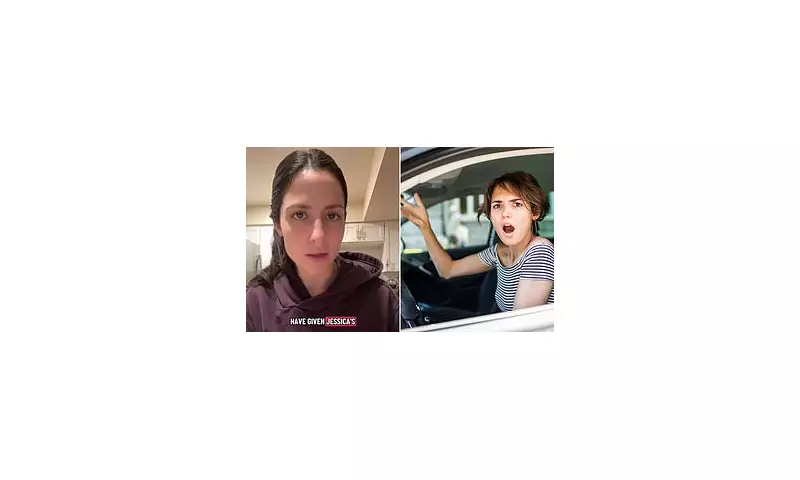
A pivotal moment came in 2021 when a TikTok user's video theorising about Karen's successor went viral. She analysed popular millennial names like Lisa, Jennifer, and Jessica before landing on her prediction. 'I'm guessing it's going to be Jessica,' she stated, adding, 'A Jess will fight someone if she gets angry. I feel like it's going to be Jessica.' This clip has resurfaced with vigour in recent months as online consensus appears to solidify.

Jessicas Fight Back Against the Stereotype
Unsurprisingly, many people actually named Jessica have voiced strong objections to their name becoming a byword for entitlement. Their responses, shared widely online, range from baffled to defensive.
'I don't know whether to feel flattered about this or offended,' remarked one woman named Jess Blanc in a video this week, questioning the informal voting process. Another, Jessica Finn, addressed the trend directly on TikTok: 'It has come to my unfortunate knowledge that the children of Gen Z have given Jessicas the title of "Karen."' She firmly rejected the label, arguing that Jessicas are more likely to mind their own business than seek confrontation.
Despite these protests, the social media wave shows little sign of receding. The choice has a statistical basis: according to the US Social Security Administration, Jessica was the most common name for girls born between 1985 and 1989 and again from 1993 to 1995, squarely placing it in the millennial cohort.
A Pattern of Name-Based Stereotyping
This phenomenon mirrors the rise of 'Karen', which gained traction around 2018 as a pejorative for middle-class white women perceived as entitled. The impact was significant enough that in 2020, women named Karen appeared on ITV's This Morning to discuss facing discrimination and mockery because of the meme.
One guest, Karen Masters, expressed that 'Karens' felt unable to speak about the meme's effect for fear of being labelled entitled themselves. Another revealed she was changing her name to avoid negative connotations, even hiding her name tag at work. However, public sympathy at the time was notably limited, with many viewers dismissing their concerns.
The cycle now seems to be repeating with a new generation and a new name, highlighting the powerful and often controversial role social media plays in shaping modern slang and stereotypes.