Blue Origin's New Glenn Rocket Grounded After Satellite Launch Failure
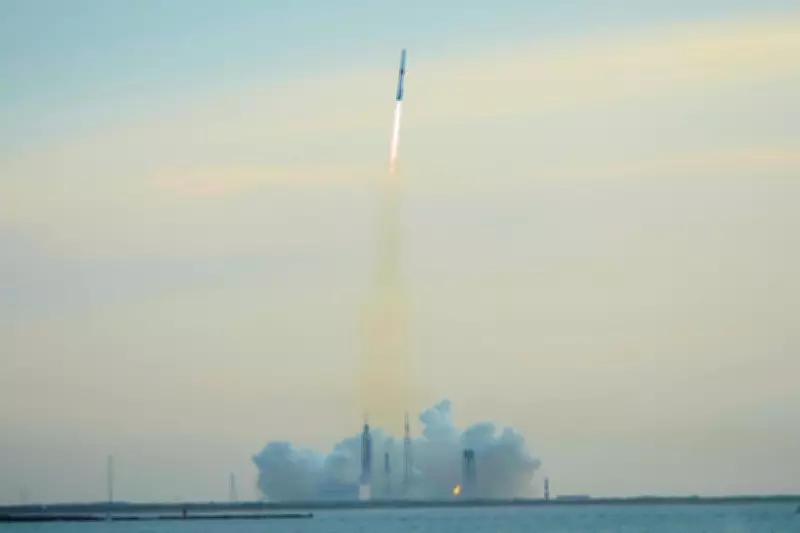
Jeff Bezos' rocket company, Blue Origin, has grounded its New Glenn rocket after a failed weekend launch left a satellite stranded in the wrong orbit, effectively dooming the mission. The company attributed the failure to a malfunctioning engine in the upper stage, which did not produce sufficient thrust to achieve the intended orbit.
Investigation Underway
Launches of the massive New Glenn rocket have been suspended indefinitely as Blue Origin and the Federal Aviation Administration conduct a thorough investigation into the incident. The rocket lifted off from Cape Canaveral Space Force Station on Sunday, with the recycled first-stage booster performing as expected and landing successfully on an ocean barge. However, the upper stage failed to deliver the AST SpaceMobile satellite to its proper operational orbit.
Impact on Space Missions
Preliminary data indicates that one of the upper stage engines was at fault, according to Blue Origin CEO Dave Limp. There is no immediate information on when or where the rocket's upper stage or the satellite might re-enter Earth's atmosphere. The satellite was intended to join AST SpaceMobile's network, designed to provide direct space-to-smartphone services, highlighting the significant setback for the company's plans.

Broader Implications for Space Exploration
This marks only the third flight for the New Glenn rocket, a key vehicle in Blue Origin's arsenal for orbital deliveries. NASA is relying on New Glenn to launch Blue Moon lunar landers as part of the Artemis moon program, making this grounding a critical concern for future lunar missions. Meanwhile, SpaceX's Starship remains a competitor for landing astronauts on the moon, potentially as early as 2028, adding pressure on Blue Origin to resolve the issues promptly.
Technical Specifications and Legacy
The New Glenn rocket, towering over 320 feet (98 meters), is named in honor of John Glenn, the first American to orbit Earth in 1962. Its grounding underscores the challenges in developing reliable heavy-lift rockets for commercial and governmental space endeavors. As the investigation progresses, the space industry watches closely, with implications for satellite deployments, lunar exploration, and the ongoing race in private spaceflight.