Lyrids Meteor Shower Reaches Peak Activity Tonight
The world's oldest recorded meteor shower, the Lyrids, is set to deliver a spectacular celestial display across Britain tonight, with astronomers predicting up to 100 visible meteors per hour during peak viewing conditions. This annual astronomical event occurs between April 14 and April 30 each year, with this year's peak expected around 8:40 PM UK time.
Optimal Viewing Window and Conditions
Experts recommend the best viewing period will be between 8:30 PM on Wednesday night and 1:30 AM on Thursday morning. Forecasters indicate weather conditions across the UK will be particularly favorable for stargazing, with minimal cloud cover expected and a crescent-shaped moon unlikely to create significant light pollution that could obscure the meteor display.
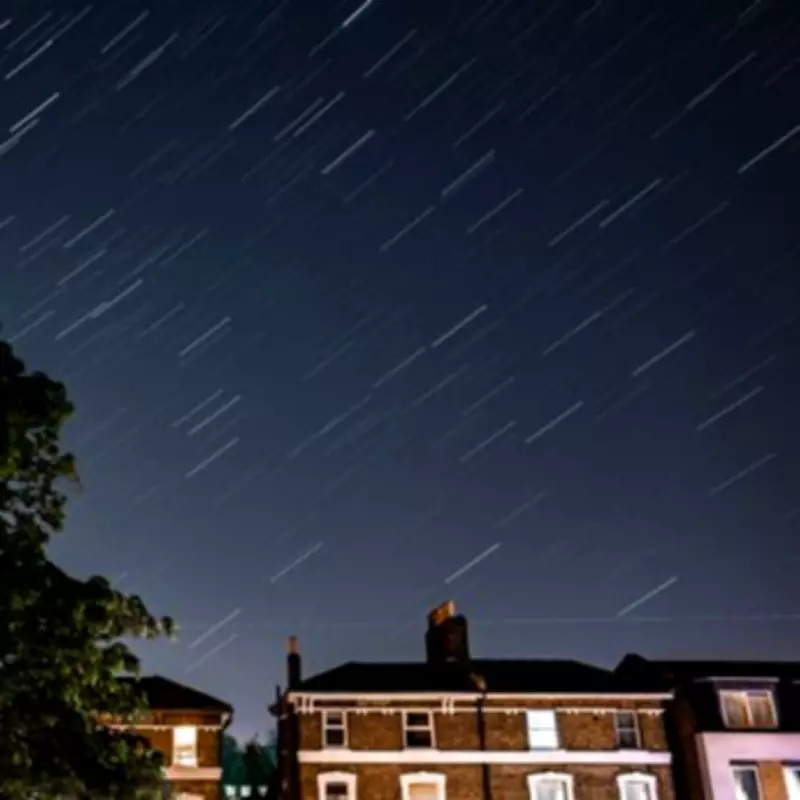
Astronomer Lisa Will of San Diego City College explains: "A meteor appears as a trail of light moving across the night sky. What observers typically notice is the motion against the stationary background of stars."

Historical Origins and Celestial Mechanics
The Lyrids meteors originate from remnants of the icy comet Thatcher, which was first documented by Chinese astronomers approximately 2,500 years ago. The comet was formally discovered by amateur astronomer A.E. Thatcher on April 5, 1861. Thatcher comet requires 415 years to complete its solar orbit and won't be visible again until the year 2283.
Meteor showers occur when Earth passes through trails of debris left behind by comets and asteroids. These fragments, often no larger than grains of sand, ignite upon entering Earth's atmosphere, creating the luminous streaks commonly called shooting stars.
Viewing Recommendations for Maximum Visibility
For optimal viewing, astronomers suggest finding locations with dark, unobstructed skies away from urban light pollution. Ideal viewing spots include open fields, beaches, hilltops, and expansive parks that provide clear horizons without tall buildings or trees blocking the view.
BBC lead weather presenter Simon King offers specific advice: "You could wait until after 2 AM for the Moon to set below the horizon for a completely dark sky where you should be able to see streaks of light from virtually any location."
Additional viewing recommendations include:
- Begin watching at least 20 minutes before peak time to allow eyes to adjust to darkness
- Keep the Moon out of direct line of sight
- Avoid looking at bright objects including phones, fires, or artificial lights
- Bring comfortable seating, blankets, and warm drinks for extended outdoor viewing
- Use camera equipment with high exposure settings for photography attempts
Distinctive Characteristics of Lyrids Meteors
The Lyrids display several unique features that distinguish them from other meteor showers. They often exhibit vivid colors and exceptional brightness, with occasional exceptionally bright fireballs that can outshine even the planet Venus. These colors result from tiny dust particles interacting with particles and ions in Earth's atmosphere as they heat and ionize during atmospheric entry.
Simon King further explains: "Fireballs occur when larger debris pieces - approximately the size of grapes or acorns - pass through the atmosphere. Their increased size creates more dramatic flashes and often leaves visible trails called trains behind them."
While the meteor shower will be visible across much of the world, the Northern Hemisphere offers particularly favorable viewing opportunities this year. The streaks of light will be visible to the naked eye without requiring specialized astronomical equipment, making this celestial event accessible to casual observers and experienced stargazers alike.