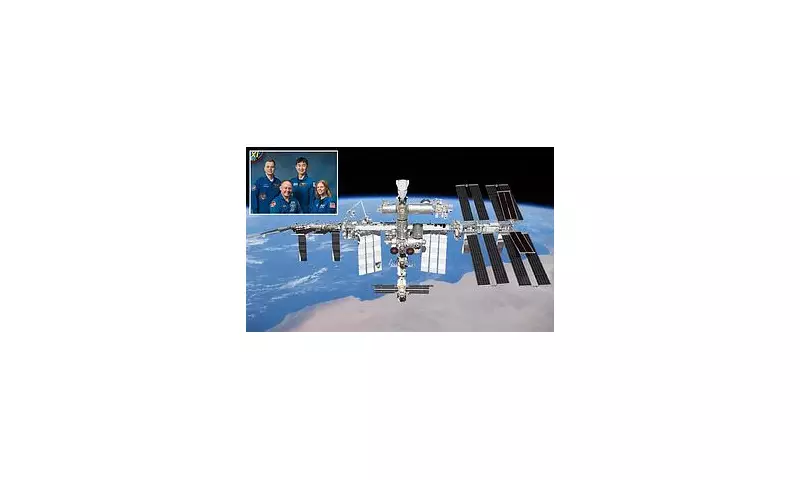
In an unprecedented move, NASA has ordered the emergency evacuation of a crew from the International Space Station (ISS) following a serious medical incident involving one of the astronauts on board.
Mission Aborted as Emergency Plan Activated
The dramatic announcement was made by NASA administrator Jared Isaacman during a press conference on Thursday. He confirmed that the Crew-11 mission will not continue until its scheduled return date in February. Instead, a plan for the crew's safe and premature return to Earth is now being urgently developed.
This decision follows the cancellation of a planned spacewalk less than a day earlier, directly due to the unspecified medical issue. This marks the first time NASA has had to bring an astronaut home for medical reasons, though contingency plans for such an event have long been part of every ISS mission protocol, with crew return vehicles always on standby.

The Crew and a Shifting Presence in Orbit
The affected Crew-11 comprises four astronauts: NASA's Zena Cardman and Mike Fincke, Japanese astronaut Kimiya Yui, and Russian cosmonaut Oleg Platonov. They were recently joined on the station by Japanese astronaut Koichi Wakata and NASA astronaut Chris Williams, who arrived aboard a Russian Soyuz spacecraft in November 2025.
In a strategic move to maintain a continuous human presence in orbit, Administrator Isaacman stated that Chris Williams will remain on the ISS with the Soyuz crew. This ensures the United States retains its operational footprint aboard the station despite the emergency departure of Crew-11.
Uncharted Territory for Space Medicine
The incident thrusts space medicine and emergency response protocols into the spotlight. While details of the medical condition remain confidential, the activation of the evacuation plan demonstrates the critical importance of pre-planned procedures for crew safety millions of miles from Earth.
The global space community now watches closely as NASA and its international partners coordinate a complex, unscheduled return mission. This developing story underscores the inherent risks of human spaceflight and the robust systems designed to mitigate them.