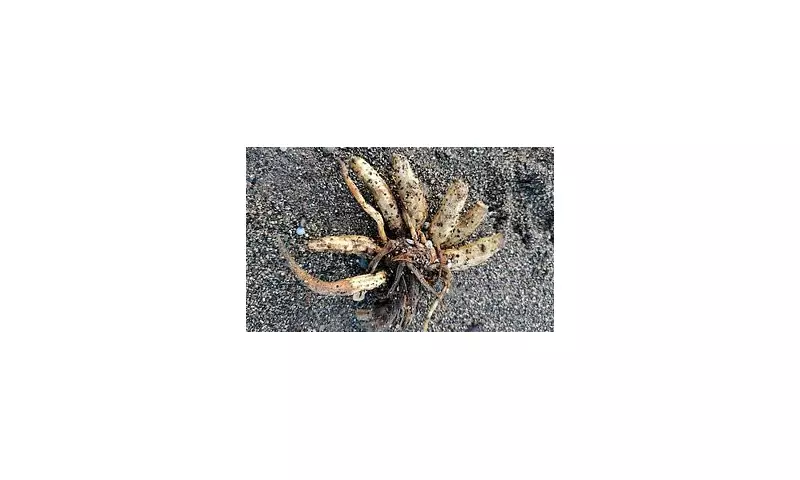
Coastguard teams in Cumbria have issued an urgent warning to residents and visitors after a highly poisonous plant was discovered washed up on beaches along the county's coastline.
What Has Been Found and Where?
The alert concerns Hemlock Water Dropwort (Oenanthe crocata), a plant with the sinister common name of 'Dead Man's Fingers'. Confirmed sightings occurred on Thursday, 18 December along a 20-mile coastal stretch between Drigg and Parton.
Millom Coastguard Rescue Team confirmed the reports, urging the public to be aware of the danger. The plant, which is normally found on riverbanks, is believed to have been dislodged and carried to the shore due to recent severe stormy weather.

Why Is This Plant So Dangerous?
The extreme danger lies in the plant's roots. The white roots, which resemble a bunch of parsnips and have a scent similar to parsley, contain a potent poison called oenanthotoxin.
Even a small quantity of this toxin can attack the central nervous system, potentially causing severe seizures and death by asphyxia, where the body is deprived of oxygen. The poison is equally fatal to pets and other animals.
Official Advice and What to Do
The coastguard has issued clear guidance for anyone visiting the affected Cumbria coastline. The primary instruction is simple: do not touch the plant.
People, particularly those with children and dogs, are advised to stay vigilant and take extra care on the beach. If you see the plant, you must not attempt to dispose of it yourself. Sightings should be reported directly to your local council, which is the responsible agency for arranging safe disposal.
The warning underscores the powerful impact of recent storms on the local environment, turning normally scenic beaches into potential hazard zones. Public cooperation is essential to prevent a tragedy.