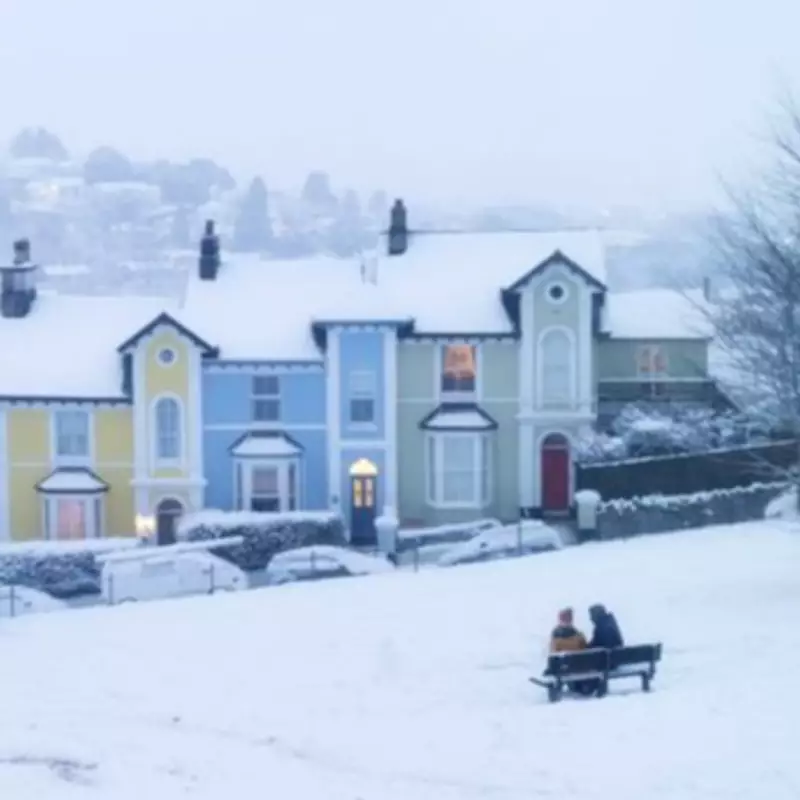
Fresh meteorological projections have unveiled a stark wintry picture for the United Kingdom, with detailed snow maps indicating the entire nation is poised to be buried under an extensive 600-mile wall of snow in the coming weeks. The forecast points to a significant cold front accelerating towards British shores, promising to deliver substantial snowfall across hundreds of miles while introducing the unusual threat of freezing rain to specific regions.
A Nationwide Blanket of Snow Approaches
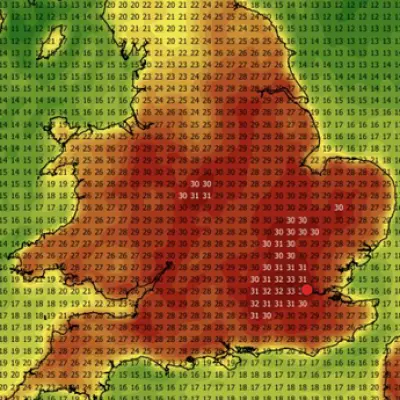
The latest data from WXCharts reveals an Arctic weather system is scheduled to arrive just before Valentine's Day on February 13, 2026. This system is projected to unleash snow along a remarkable 601-mile stretch from the northernmost to southernmost points of the country, effectively covering its entire length. While accumulations are generally expected to be modest, ranging from one to two centimetres in most areas, the widespread nature of the snowfall will create challenging conditions nationwide.
Rare Freezing Rain Targets Southern Wales
In a particularly notable development, the incoming weather front is set to generate a rare episode of freezing rain across southern Wales. The precipitation is forecast to fall as freezing showers just north of Newport and Cardiff, encompassing a large area that includes Caerphilly, Cwmbran, Pontypool, Merthyr Tydfil, and Ebbw Vale. Temperatures in these localities are anticipated to plummet to as low as -4°C during this event.

Unlike the more persistent snowfall, the freezing rain episode is expected to be relatively brief, commencing around 3pm and concluding by 6pm on the same day. During this window, the freezing rain will pour at an approximate rate of 0.1mm per hour, creating potentially hazardous icy surfaces. The precipitation will extend across the mouth of the River Severn, though it is predicted to transition to normal rain by the time it reaches Bristol on that day.
Prolonged Wintry Conditions and Official Forecasts
According to the detailed weather maps, the snowy conditions are likely to persist across the country for several days following the initial onslaught, with snow cover expected to remain until at least February 15. This extended wintry spell aligns with the Met Office's long-range forecast covering the period from February 6 to 15, which warns of incoming rain and significantly colder air masses.
The Met Office forecast elaborates: "Frontal systems over the Atlantic, steered by a south-shifted jet stream, are likely to approach the UK at times, but tending to stall as they encounter a blocking area of high pressure to the north and northeast. This will result in further spells of rain at times, falling in areas already sensitive to flooding."
It continues: "As these bands of rain spread northwards, some snow will be possible in northern England and Scotland, mainly over higher ground, as they encounter colder air. A subtle shift southwards of these areas of low pressure is anticipated during the second week of February, which may allow a greater chance of colder air to spread across larger parts of the UK, including the south, bringing an increased risk of wintry hazards for a time."
Immediate Weather Warnings Issued
Even before the arrival of the major snow wall, the Met Office has already implemented yellow weather warnings for ice and rain across parts of the UK. These warnings, active until February 2 and 3 in southwestern regions, highlight risks associated with dense fog and slick, icy surfaces that could disrupt travel and daily activities.
The forecast period has seen a noticeable shift towards milder conditions in recent days, though temperatures have largely remained in low single figures. This slight warming has coincided with increasingly chaotic weather patterns, including powerful winds and heavy rainfall that have lashed nearly every part of the country since last week. Weather maps now suggest this volatility will not only continue through the opening days of February but will introduce these rarer wintry phenomena as temperatures once again dive below freezing.