Meteorological authorities have issued urgent warnings for Australians to prepare for potentially damaging thunderstorms sweeping across the nation this weekend. The severe weather system, driven by tropical moisture spreading throughout the country, poses significant risks from Friday through Sunday.
Dangerous Supercells Threaten Eastern Seaboard
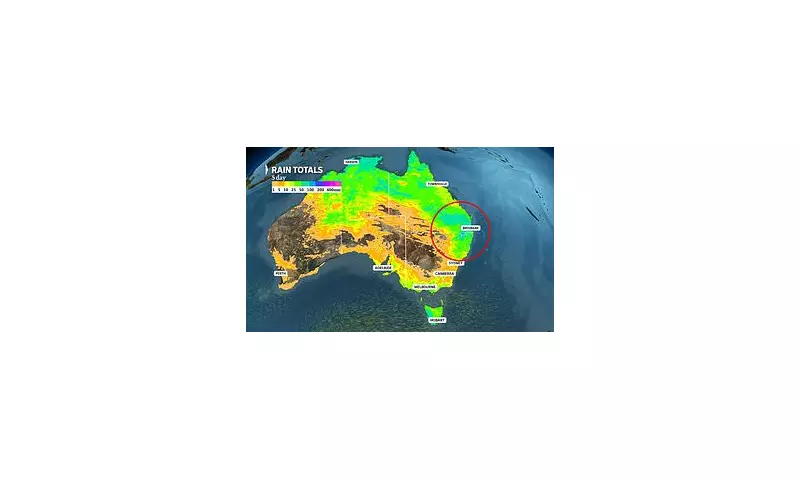
Forecasters predict perfect storm conditions could generate dangerous supercells along the heavily populated eastern seaboard, which is expected to bear the brunt of the severe weather. These supercells present a major concern for emergency services due to their capacity to persist for hours while moving slowly, potentially dumping enormous rainfall quantities that trigger flash flooding, damaging winds, and possible hail.
The supercell threat is particularly acute on Saturday across southern Queensland, southeastern New South Wales, and eastern Victoria. Brisbane appears likely to experience the most severe storm activity from Saturday, with Sydney and Canberra also facing significant impacts that may extend into Sunday before conditions potentially ease at the start of the working week.

Unusual Weather Patterns Bring Snow and Cyclone Risk
In a remarkable weather dichotomy, southeastern states could witness snowfall while a potential cyclone develops in the Timor Sea. A northerly airstream is transporting tropical air toward southern states, with concerning weather conditions expected from the northern tropics down to western Victoria.
The thunderstorm activity could span an extraordinary distance, potentially stretching from Darwin right down to Tasmania. Meanwhile, polar air escaping Antarctica and moving toward Australia will bring a cold front to Tasmania, Victoria, and South Australia on Sunday. This system may lower temperatures by up to seven degrees below average and deliver alpine snow to southeastern ranges on Monday as summer approaches.
Cyclone Season Could Start Early
Australia's cyclone season may see an early commencement due to unusually warm ocean temperatures off the northern coastline, currently measuring up to two degrees above average. These conditions present ideal circumstances for a low-pressure system to form and intensify in the Timor Sea next week.
While a Timor Sea cyclone would be somewhat unseasonal, the Bureau of Meteorology indicates only a 10% chance of such a system developing into cyclone strength between Tuesday and Thursday. Nevertheless, authorities remain vigilant as this complex weather pattern unfolds across the continent.