In a tragic incident that has gripped the state, authorities in California have officially identified the victims of a devastating avalanche that struck the Sierra Nevada mountains earlier this week. The event, which occurred in a remote backcountry area, has prompted a large-scale rescue operation as emergency teams work tirelessly to locate any remaining survivors amidst challenging weather and terrain conditions.
Details of the Avalanche and Rescue Efforts
The avalanche was reported on the morning of February 18, 2026, in a popular but treacherous region of the Sierra Nevada, known for its steep slopes and heavy snowfall this season. According to preliminary reports from the California Department of Forestry and Fire Protection (CAL FIRE), the slide was triggered by a combination of recent heavy precipitation and unstable snowpack, creating a massive wall of snow that swept through a group of backcountry skiers and snowboarders.
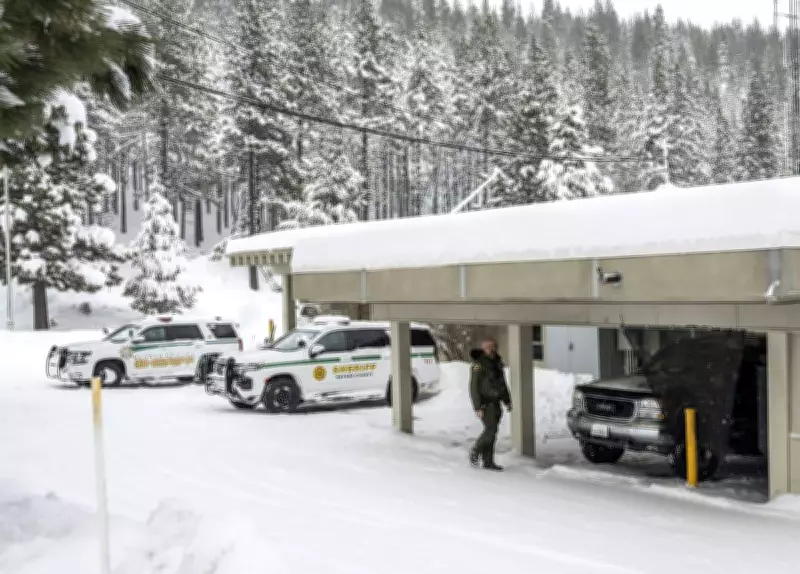
Rescue teams, including personnel from local sheriff's offices, mountain rescue units, and volunteer organizations, were immediately dispatched to the scene. However, operations have been hampered by ongoing snowfall, high winds, and the risk of further avalanches, making it a perilous environment for responders. As of the latest update, several individuals have been successfully rescued and are receiving medical treatment for injuries ranging from minor to critical.

Victim Identification and Community Impact
The victims, whose names have been released by authorities after notification of their families, include both local residents and visitors from out of state. Among them are experienced outdoor enthusiasts who were well-equipped for backcountry travel, highlighting the unpredictable nature of avalanche risks even for seasoned adventurers. The community has rallied in support, with vigils planned and fundraisers initiated to assist the affected families.
This incident serves as a stark reminder of the dangers associated with winter mountain activities, particularly in areas prone to avalanches. Experts emphasize the importance of checking avalanche forecasts, carrying proper safety gear such as beacons and shovels, and traveling in groups with knowledge of rescue techniques. The Sierra Avalanche Center had issued warnings for the region prior to the event, citing elevated hazard levels due to recent weather patterns.
Ongoing Investigations and Safety Recommendations
An investigation into the exact cause of the avalanche is underway, with officials from the U.S. Forest Service and other agencies examining factors such as snow stability, human activity, and environmental conditions. Preliminary findings suggest that a natural trigger, possibly related to wind loading on leeward slopes, may have initiated the slide, but a full analysis is expected to take several weeks.
In response to the tragedy, safety advocates are calling for increased public awareness and education on avalanche preparedness. They recommend that all backcountry travelers undergo formal training in avalanche safety, including courses on risk assessment and rescue procedures. Additionally, authorities urge visitors to heed official warnings and avoid high-risk areas during periods of elevated avalanche danger.
As rescue operations continue, the focus remains on supporting the victims and their loved ones while reinforcing the critical need for vigilance in mountain environments. The California avalanche serves as a somber lesson in the power of nature and the importance of preparedness in outdoor pursuits.