An extreme cold warning has been issued across more than twenty American states, with meteorologists warning that temperatures are expected to remain so dangerously low that venturing outdoors could prove fatal in numerous regions. The National Weather Service (NWS) has highlighted that a vast swathe of the United States, stretching from Texas all the way to New York, will endure bone-chilling temperatures and even more severe wind chills throughout Monday and into Tuesday. This follows the historic Winter Storm Fern that battered the nation over the weekend.
Life-Threatening Conditions Spread Nationwide
The frigid air mass is not confined to traditional northern states. Areas as far south as the Florida panhandle and southern Georgia are forecast to experience morning wind chills dipping into the teens and single digits Fahrenheit. Prolonged exposure to such conditions risks causing hypothermia and frostbite to exposed skin within mere minutes. States along the Gulf Coast, including Texas, Louisiana, Mississippi, and Alabama, will see wind chills plummet to 10 degrees below zero, cold enough to induce frostbite in just half an hour.
Midwest Faces Most Severe Peril
The situation is particularly dire in the Midwest. Parts of Ohio, Nebraska, and Minnesota are anticipated to suffer wind chills ranging from 30 to 45 degrees below zero. At these extremes, stepping outside could become deadly in less than twenty minutes. The deep freeze warning encompasses dozens of states impacted by Winter Storm Fern, such as Colorado, Oklahoma, Arkansas, Missouri, Tennessee, Kentucky, Indiana, Illinois, West Virginia, Virginia, and Pennsylvania.

Tragically, the storm has already claimed at least sixteen lives. Meteorologists have issued further grave warnings that widespread power outages could leave hundreds of thousands of Americans without heating for multiple days as this extended cold snap takes hold. The historic winter event spanned over 2,000 miles, delivering over a foot of snow, ice storms, and sub-zero temperatures to more than 150 million people.
Expert Warnings and Health Risks
On Friday, meteorologist Ryan Hall emphasised that a large portion of the South and Midwest should prepare for extreme cold temperatures hovering around 10 degrees Fahrenheit for several consecutive days. He issued a stark warning for those who lose power, particularly in parts of Louisiana, Mississippi, and Tennessee, stating that this week's arctic blast could also make staying inside unheated homes a lethal prospect.
"We've got to make sure people know that they've got to find alternative ways to heat their house. And if they don't have that, then staying in their house is not a safe, viable option. We've got to really help people find shelters," Hall advised.
Understanding Hypothermia and Frostbite
Hypothermia is a dangerous condition involving a critical drop in the body's core temperature, typically resulting from prolonged exposure to freezing conditions without adequate protective clothing. Early symptoms encompass intense shivering, profound fatigue or confusion, slurred speech, and significant difficulties with movement and coordination.
Frostbite occurs when skin and underlying tissue freeze due to extreme cold, most commonly affecting fingers, toes, the nose, and ears if left exposed on perilously frigid days. Initial signs include skin becoming numb or tingly, turning white, pale, or a grayish-yellow hue, and may feel hard or waxy to the touch.
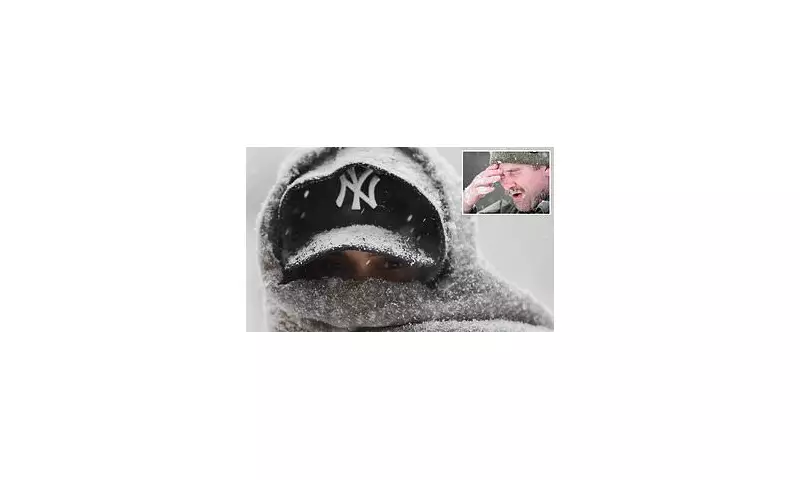
In response, the NWS advised on Monday: "Dress in layers, including a hat, face mask, and gloves if you must go outside."
Official Safety Guidance and Infrastructure Concerns
NWS officials have recommended that residents in all affected areas "make frequent checks" on elderly relatives, friends, and neighbours who may be especially vulnerable to the cold. Their guidance also stressed ensuring all pets are kept indoors for the duration of the severe weather.

Regarding potential damage to property, the NWS noted that pipes can rapidly freeze during an extreme cold emergency, which may cause them to burst and flood homes if they remain full of water. To prevent this, any pipes exposed to the cold, including outdoor lines or those in unheated basements, should be properly wrapped, insulated, and drained.
Additional Hazards: Fire Risks
Officials have also warned that the desperate attempt to stay warm during such extreme cold can introduce the deadly threat of house fires. Anyone using a portable heater has been urged to follow manufacturer instructions meticulously to prevent igniting blankets or other flammable materials. The NWS explicitly warned against the indoor use of generators and grills, which can lead to carbon monoxide poisoning.
The Federal Emergency Management Agency (FEMA) reinforced this advice, recommending: "Place space heaters on a solid, flat surface. Keep them at least three feet from things that can burn." As the nation braces for days of relentless cold, authorities continue to stress that vigilance and preparation are paramount for survival during this unprecedented Arctic onslaught.