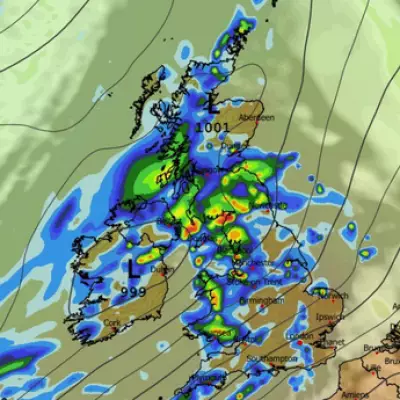
For generations, people across the UK have looked to nature for clues about the festive season's weather, with a rich tapestry of folklore offering surprising predictions. These age-old beliefs, passed down through proverbs, often hinge on a fascinating concept of reversal between two key Christian holidays: Christmas and Easter.
The Seasonal Reversal: Christmas and Easter Weather Linked
One of the most enduring pieces of traditional wisdom suggests that the conditions on Christmas Day will be opposite to those experienced at Easter. This belief is encapsulated in several well-known sayings. For instance, 'Green Christmas, white Easter' implies that a mild, snow-free December 25th will be followed by a chilly, frosty Easter celebration.
Another proverb states, 'Christmas in snow, Easter in mud!', while a more poetic version warns, 'At Christmas meadows green, at Easter covered with frost.' The connection is thought to symbolise the stark contrasts within the Christian calendar, pitting winter's dormancy against spring's renewal.

Proverbs Predicting Harvests and Future Storms
The folklore doesn't stop at linking the two holidays. Many sayings also use Christmas weather to forecast agricultural fortunes and the winter ahead. An abundant harvest is promised by winds on the festive day, as per the saying: 'If there is much wind on Christmas Day, trees will bear much fruit.'
Similarly, a bright and clear Christmas is sometimes viewed with suspicion, hinting at a prolonged cold spell with the adage: 'If Christmas Day be bright and clear, there'll be two winters in the year.' Conversely, a hard frost is seen as a positive omen for a milder season to come.
Counting Snowstorms and Other Natural Omens
Other beliefs extend beyond the festive period. Some folklore posits that the date of the year's first snowfall predicts the number of winter storms to follow. According to this tradition, if the first snow falls on the 12th of a month, one should brace for 12 more snowstorms before winter ends.
Whether these sayings about white Christmas prospects are rooted in observable patterns or are simply charming traditions, they remain a captivating part of British cultural heritage, connecting the rhythm of the seasons to daily life in a uniquely poetic way.