Italy has officially declared a state of emergency across its southern regions following the devastating impact of Cyclone Harry, which battered the country last week with catastrophic force. The government has pledged immediate financial assistance to support the reconstruction of critical infrastructure and local businesses overwhelmed by the extreme weather event.
Unprecedented Destruction Across Southern Italy
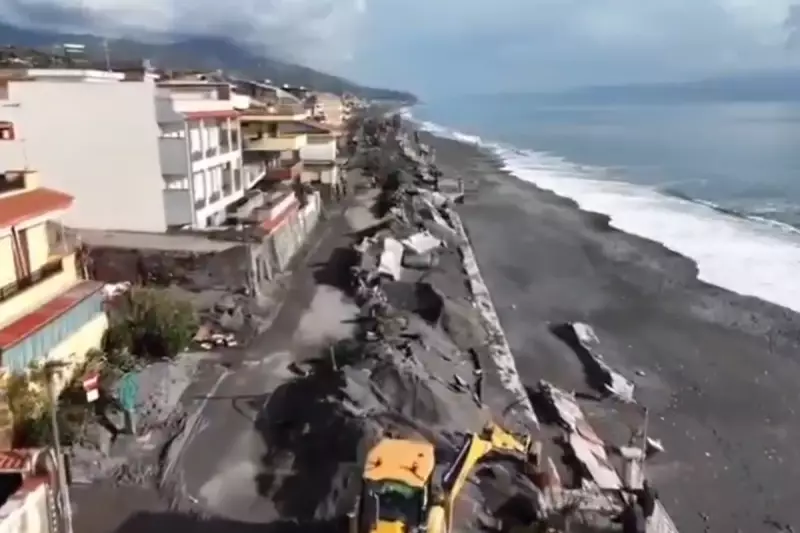
The violent storm system unleashed relentless torrential rain, ferocious winds, and colossal waves reaching heights of up to nine metres (30 feet) upon Sicily, Sardinia, and Calabria over a punishing two-day period. These conditions forced seawater far inland, comprehensively breaching coastal defences and flooding numerous communities.
Initial official estimates place the total economic damage at a staggering figure exceeding €1 billion (approximately $1.19 billion). Remarkably, despite the immense scale of the destruction, authorities have confirmed that no fatalities or serious injuries were reported, a fact largely attributed to effective early warning systems.

Government Mobilises Swift Financial Response
Prime Minister Giorgia Meloni's administration has moved quickly to address the crisis, earmarking an initial tranche of €100 million in emergency funding. This capital is designated for the most severely affected areas to cover urgent needs. Civil Protection Minister Nello Musumeci provided confirmation of this allocation and outlined further governmental plans.
"In the coming days, the government will adopt a new interministerial measure to allow the restoration and reconstruction of the damaged infrastructure," Minister Musumeci stated, signalling a coordinated, long-term recovery strategy.
Regional Breakdown of the Catastrophe
The island of Sicily bore the brunt of the storm's fury. The regional government reported last week that damages on the island alone are valued at around €740 million. However, Sicily's Governor, Renato Schifani, issued a sobering update on Monday, cautioning that the final cost could potentially double that preliminary estimate as full assessments continue.
In popular tourist areas near Taormina, seawater inundated streets, causing significant harm to vital infrastructure including wastewater treatment facilities. This has sparked considerable anxiety regarding the impending tourist season. The city of Catania also suffered, with a section of its seafront promenade collapsing. Furthermore, the civil protection agency reported that land subsidence, likely triggered by the severe weather, now threatens the town of Niscemi in central Sicily, necessitating the evacuation of approximately 1,000 residents.
Sardinia experienced severe impacts as well. Beniamino Garau, the Mayor of Capoterra in the island's south, described scenes where the sea advanced roughly 100 metres inland, overwhelming local defences.
Calabria, one of Italy's least developed regions, faced profound agricultural devastation. The regional administration highlighted "major damage to agricultural business...with serious repercussions for the rural economy," indicating a crisis that will affect livelihoods long after the floodwaters recede.
A Growing Pattern of Extreme Weather
This catastrophic event fits into a concerning pattern for Italy, where extreme weather phenomena have become increasingly frequent in recent years. Devastating floods have struck cities nationwide, resulting in dozens of fatalities and elevating the risks of landslides and flooding even in areas historically considered less vulnerable.
In a positive development from the recent storm, local reports suggest that timely regional civil protection alerts issued ahead of Cyclone Harry's arrival were instrumental. These warnings successfully persuaded residents to remain indoors, a crucial factor in preventing any loss of life or serious injury amidst the widespread material destruction.