The Met Office has issued a significant weather warning for snow and ice, set to bring a wintry start to 2026 across parts of the United Kingdom. The yellow warning will be active from 6am on Thursday, 1 January, until 11.59pm on Friday, 2 January, primarily affecting northern Scotland.
Areas at Risk and Expected Impact
The alert covers the entirety of northern Scotland, including the regions and local authorities of Central, Tayside and Fife, Grampian, Highlands and Eilean Siar, Orkney and Shetland, and Strathclyde. Forecasters warn that frequent and heavy snow showers may lead to travel disruption.
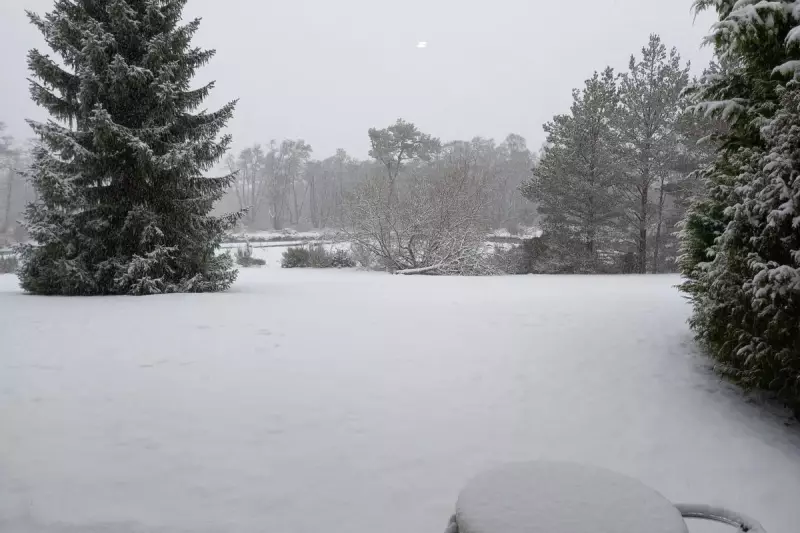
Initially, accumulations will be focused on higher routes, but snow will build to lower levels by Thursday evening. The Met Office predicts 2 to 5cm of snow widely at lower levels, with up to 10cm possible in some spots by Friday morning.

More significant falls are expected at altitude. Above 200 metres, accumulations of 10-20cm are likely, while the highest routes and hills could see 30cm or more. Strong northerly winds, potentially reaching gale force, will cause significant drifting of the settled snow.
Wider Cold Spell and Health Warnings
Mark Sidaway, Deputy Chief Forecaster at the Met Office, stated that this marks the beginning of a broader cold spell. "Arctic air and strong northerly winds will bring cold or very cold conditions to all parts of the UK," he said, adding that wintry hazards will develop more widely as we enter the New Year, with further warnings likely.
In response to the forecast, the UK Health Security Agency (UKHSA) has issued an amber cold health alert for the health sector in north-east and north-west England until 5 January. All other English regions are under a yellow alert for the same period.
Dr Agostinho Sousa, Head of Extreme Events and Health Protection at UKHSA, urged the public to check on vulnerable friends, family, and neighbours. He highlighted the increased risks of heart attacks, strokes, and chest infections for older individuals and those with pre-existing health conditions during cold weather.
Outlook for the Coming Days
The cold conditions are expected to persist through at least the first week of January. The broader forecast indicates that after a largely settled New Year's Eve for many, conditions will turn colder nationwide. Wintry showers will become more widespread, bringing a risk of icy patches.
The UKHSA also warned of potential increases in demand for health services, possible staffing issues due to travel delays, and impacts on other sectors like transport and energy. The public is advised to stay updated with the latest Met Office forecasts and warnings.