New York City Experiences Temperatures Colder Than Antarctica in Prolonged Cold Snap
In a startling meteorological event, New York City has officially recorded temperatures lower than parts of Antarctica, as a weeks-long cold snap intensified over the weekend, reaching unprecedented lows. The Big Apple saw temperatures drop to a frigid 3°F in the early hours of Sunday, with wind chill factors making it feel as cold as 14 degrees below zero. By comparison, McMurdo Station in Antarctica reported a relatively mild 21°F at the same time.
Persistent Temperature Disparity Throughout the Day
The temperature gap between New York City and Antarctica continued into Sunday afternoon, with New York registering 13°F while McMurdo Station remained warmer at 23°F. Across the northeastern United States, wind chills plummeted to as low as minus 40°F, exacerbating the harsh conditions. In response, the National Weather Service issued an extreme cold warning for New York City from 10am Saturday through 1pm Sunday, accompanied by a Wind Advisory effective from 9am Saturday until midnight.
FOX Weather Meteorologist Stephen Morgan highlighted the rarity of this event, noting, "The last time New York City had a warning issued similar to what we have this morning was in 2004." Authorities urged residents to stay indoors, warning that sub-zero wind chills could cause frostbite within minutes and pose risks of hypothermia or even death without proper precautions.

Health Risks and Fatalities Amid the Freeze
So far this year, at least 17 people have been found dead outside in New York City due to the cold, with hypothermia confirmed as the cause of death for 13 of them. New York City Mayor Zohran Mamdani emphasized the danger in a weather alert on Friday, stating, "New Yorkers should treat this cold snap with the seriousness it demands. These temperatures are dangerous, and even brief time outdoors can be life-threatening."
According to AccuWeather, Sunday marked the 16th consecutive day of nearly-freezing or below-freezing temperatures in the city. Between January 24 and February 1, every day was significantly below freezing, with highs only reaching 24°F. Although the sub-freezing streak was briefly interrupted from Monday through Friday, temperatures did not exceed 35°F. Saturday and Sunday emerged as the coldest days of the winter so far.
Historical Context and Meteorological Insights
AccuWeather Chief Meteorologist Jon Porter commented, "The deep freeze has returned to the northeastern United States this weekend. In many parts of the Northeast away from the coast, this prolonged stretch of cold is the most extreme in at least the last decade and, in some areas, the last two decades." He added that many locations are experiencing streaks of days below freezing that rank among the top 10 longest on record.
The current cold snap is the longest since 2018, when New York City endured 14 consecutive days at or below freezing. The record for the longest streak of freezing temperatures in the city remains 16 days, set in 1961. This year's frigid conditions are attributed to gusts of Arctic air descending from the tundra north of Hudson Bay, Canada.
Future Outlook and Potential Complications
Relief is expected in the second and third weeks of February as warm air from the Pacific Ocean moves east across the continental United States. However, AccuWeather warns that this sudden temperature increase could lead to additional problems, such as disrupted thaw-and-freeze cycles, fog, freezing rain, sleet, and wet snow. While this will provide much-needed respite for bundled-up New Yorkers, it may introduce new weather-related challenges.
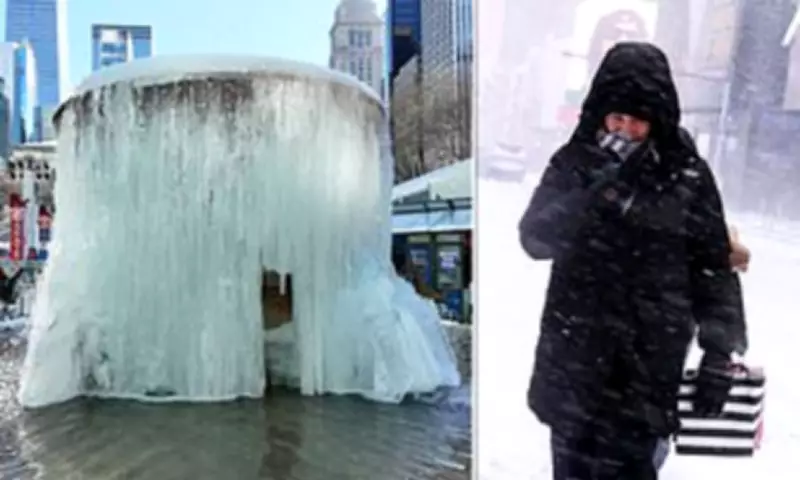
Visual evidence of the extreme cold includes frozen fountains in Bryant Park, blocks of ice in the East River, and snow-buried streets, underscoring the severity of this historic weather event. As the city braces for potential fluctuations, residents are reminded to prioritize safety and heed official warnings during this unprecedented cold spell.