Victoria and South Australia Face Unprecedented Heatwave and Extreme Fire Danger
The sun rose over the Mallee town of Ouyen in Victoria on Tuesday morning, with temperatures already at 26.1C and forecast to soar to a staggering 49C. This extreme heat could potentially break the state's all-time temperature record of 48.8C, set in Hopetoun during the devastating Black Saturday bushfires in 2009. The small community of Ouyen, home to approximately 1,170 residents, is bracing for what could be a historic and dangerous day.
Record-Breaking Temperatures and Severe Fire Conditions
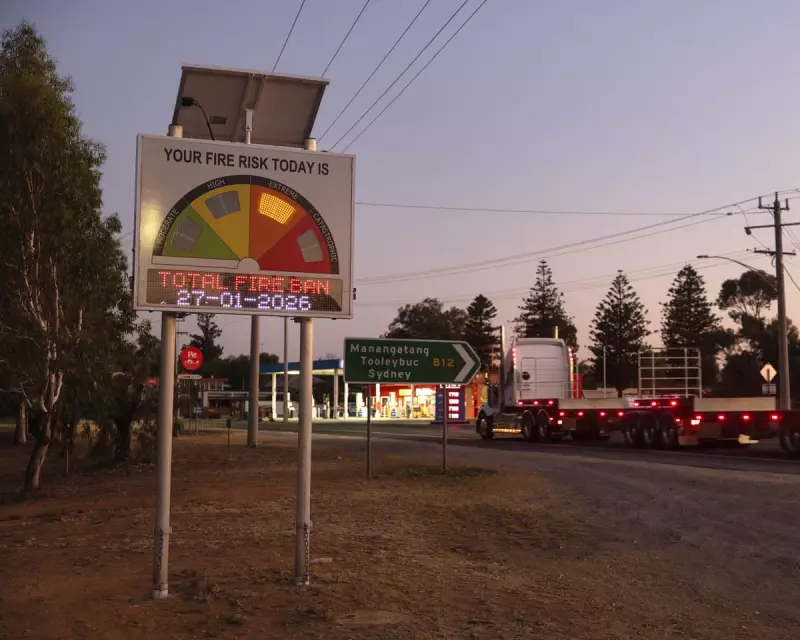
Across Victoria and South Australia, fire danger ratings have been elevated to extreme levels as the climate crisis continues to intensify severe weather events. The Bureau of Meteorology has issued warnings that January and all-time temperature records are expected to fall in parts of eastern South Australia and throughout Victoria. Inland areas are forecast to experience temperatures approaching 50C, creating perilous conditions for communities and emergency services.
Country Fire Authority chief officer Jason Heffernan emphasised the gravity of the situation, stating that Tuesday was "not a day for complacency." He urged residents to restrict unnecessary travel and remain vigilant. With six major fires already burning across Victoria, the combination of high to extreme fire conditions significantly increases the risk of rapid fire spread. Authorities are particularly concerned about the Carlisle River fire in the Otways, which poses a serious threat to homes, properties, and lives.

Extended Heatwave and Health Warnings
This heatwave represents an extended period of extreme temperatures for the region. Ouyen is experiencing its fifth consecutive day above 40C, with another four days of similar heat forecast to follow. This could result in a total of nine days with temperatures exceeding 40C, an unprecedented stretch of extreme weather. Senior meteorologist Jonathan How noted that temperatures above 48C are extremely rare for Victoria, making this event particularly challenging to comprehend for many residents.
Victoria's chief health officer, Dr Caroline McElnay, issued a stern warning about the health risks associated with prolonged heat exposure. "Heat-related illness can come on quickly, so it's important to know the warning signs," she stated. Symptoms to watch for include heavy sweating, dizziness, nausea, headache, pale or clammy skin, or unusual weakness or confusion. More severe signs of heatstroke, such as very high body temperature, red hot skin, confusion, or loss of consciousness, require immediate emergency medical attention.
Widespread Impact and Climate Context
The heatwave's effects are being felt across multiple states. In South Australia, fire danger is extreme across numerous regions including the eastern Eyre Peninsula, mid north, Mount Lofty ranges, Yorke Peninsula, Kangaroo Island, Riverland, Murraylands, and the south-east. Total fire bans have been implemented in these districts. Adelaide experienced extreme heat on Monday, reaching 44.7C, with the northern suburb of Elizabeth hitting 46.5C. Ceduna on the Eyre Peninsula recorded a scorching 49.5C.
This event marks Australia's second major heatwave in January alone, following an earlier extreme heat event at the beginning of the month. Climate analysts have indicated that such heatwaves are now made five times more likely due to global heating. The climate crisis has unequivocally increased the frequency and severity of extreme weather events, including prolonged heatwaves and catastrophic bushfires.
Looking ahead, hotter-than-average days and nights are expected to continue until April for much of the country, according to the latest long-range forecasts. Sea surface temperatures around Australia and globally are projected to remain warmer than average, contributing to these persistent extreme conditions. As communities across Victoria and South Australia endure this dangerous heatwave, the urgent need for climate adaptation and mitigation strategies becomes increasingly apparent.