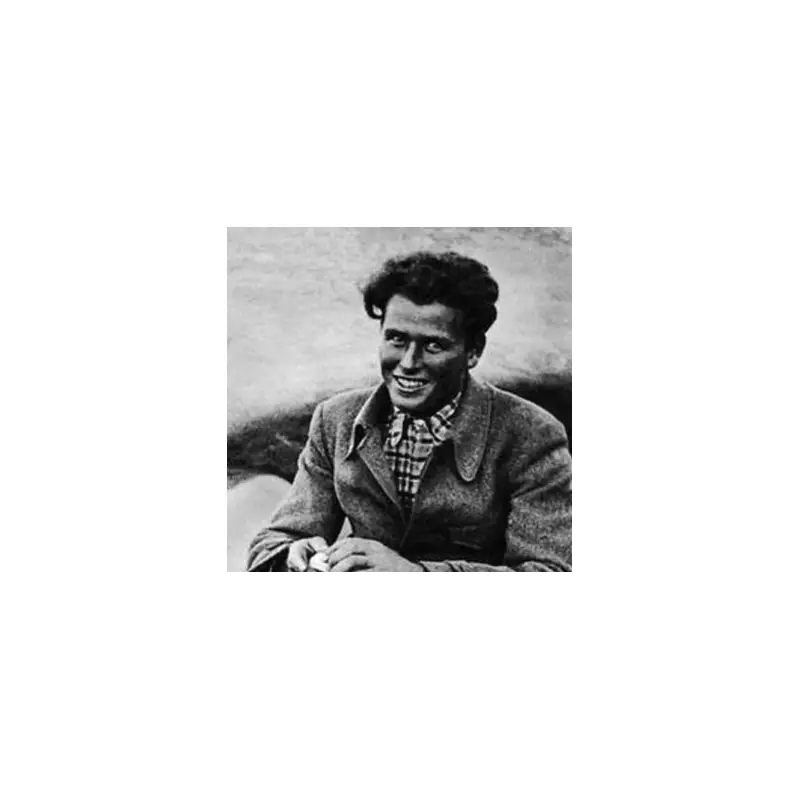
In one of mountaineering's most haunting tragedies, a young German climber was left dangling for days on a sheer ice face, uttering five final, desperate words to his would-be rescuers just feet away: "I can't go on."
The Ascent of the 'Murder Wall'
Born in 1913 in Berchtesgaden, Bavaria, Toni Kurz grew up surrounded by mountains and honed his climbing skills from an early age. His natural aptitude was refined by a metalworker's apprenticeship, which gave him strength and precision. By 1934, he had joined the elite German mountain infantry, known for his discipline and confidence.
In July 1936, at just 23 years old, Kurz and his inseparable climbing partner, Andreas Hinterstoisser, set their sights on a monumental challenge: the unconquered North Face of the Eiger in the Swiss Alps. Known locally as 'Die Mordwand' or 'the Murder Wall', this 1,800-metre death drop of limestone, collapsing icefields, and avalanche paths was the ultimate test. They were joined by Austrian climbers Willy Angerer and Edi Rainer.

The team began their ascent from Kleine Scheidegg. Hinterstoisser made a crucial, historic move by executing a daring diagonal traverse across a smooth, polished section of rock, securing a rope for the others. This manoeuvre, later named the Hinterstoisser Traverse, would prove both their brilliance and their downfall. In a fatal error, they removed the rope after crossing, believing they would descend by a different route.
A Deadly Storm and the Fight for Survival
Disaster struck when a severe storm engulfed the face. The rock froze, winds escalated, and the climbers found themselves in a fight for survival. The first casualty was Willy Angerer, who was struck by falling debris and suffered a severe leg injury. The team decided to retreat, but their path was blocked.
To their horror, the vital Hinterstoisser Traverse was now coated in verglas—a thin, deadly layer of ice from frozen rain. The storm intensified, leaving them stranded. Hinterstoisser slipped and fell to his death. The immobilised Angerer succumbed to exposure. Rainer lost his footing while trying to lower Angerer, resulting in both men's deaths.
Miraculously, Toni Kurz was the sole survivor, left clinging to the icy wall. For days, villagers watched his agonising plight from Kleine Scheidegg, prompting Swiss mountain guides Christian Almer Jr. and Hans Schlunegger to launch a desperate rescue attempt.
The Final Descent and a Cruel Twist of Fate
In bitter cold, with hypothermia taking hold, Kurz communicated with his rescuers below. Following their shouted instructions, he was forced to perform a grim task: severing the ropes attached to his deceased companions. He then began a painstaking descent towards the waiting guides.
After hours of effort, a final, cruel twist of destiny emerged. Kurz, now tantalisingly close to salvation, discovered his rope was just a few feet too short. He tried everything possible, but after two days clinging to the face, his strength was gone. He uttered the immortal, haunting words: "I can't go on." Then, he fell still.
The 1936 Eiger tragedy shocked Europe and became a seminal story in mountaineering lore. It later provided inspiration for Heinrich Harrer's classic book, The White Spider. The climbers are remembered through features on the mountain that bear their names: the Hinterstoisser Traverse, Rainer's Overhang, and the site of Kurz's Last Stand.