Lyrid Meteor Shower Peaks Tonight: A Celestial Spectacle for Stargazers
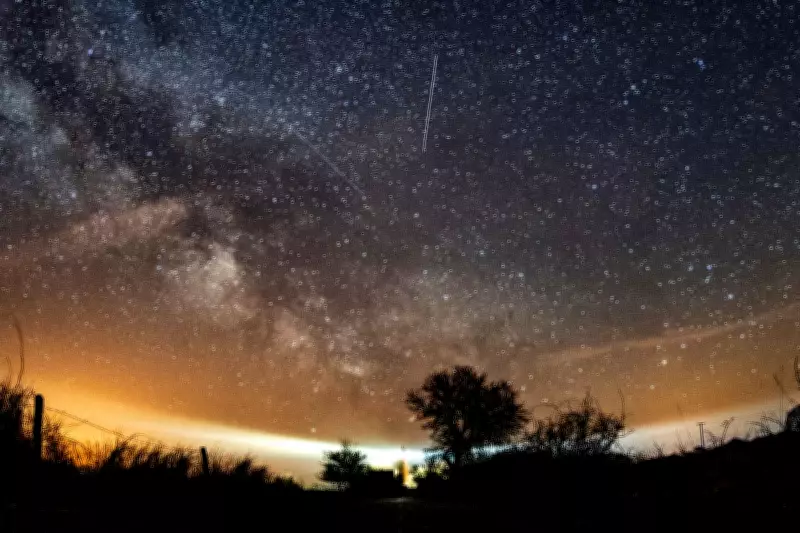
The annual Lyrid meteor shower is set to deliver a breathtaking display in the night sky, with its peak activity occurring from Tuesday night into Wednesday morning. This celestial event promises to captivate observers with an estimated rate of 10 to 20 shooting stars per hour, creating a mesmerizing show for those who look upwards.
Optimal Viewing Conditions and Timing
Stargazers in the Northern Hemisphere are in for a treat, as this region offers the prime vantage point for witnessing the Lyrids. A dim crescent moon is expected to set early, ensuring minimal light interference and allowing the meteor shower to shine brightly against the dark backdrop of space. For the best experience, experts recommend heading outdoors after midnight, when the shower intensifies.
To maximise your chances of spotting these fleeting streaks of light, find a location far from the glare of city lights. Allow your eyes at least 20 minutes to adjust to the darkness, and direct your gaze towards the northeastern sky, where the Lyra constellation serves as the radiant point for the meteors.

Origins and Scientific Background
The Lyrid meteor shower originates from the icy remnants of Comet Thatcher, a celestial body that orbits the sun. As Earth journeys through the comet's debris trail each April, particles burn up in our atmosphere, producing the brilliant flashes we observe as shooting stars. This natural phenomenon has been documented for centuries, adding to its allure for both amateur and professional astronomers.
With clear skies and a bit of patience, tonight's event offers a rare opportunity to connect with the cosmos. Whether you're an avid sky-watcher or a casual observer, the Lyrids provide a reminder of the wonders that unfold above us, free from the distractions of daily life.