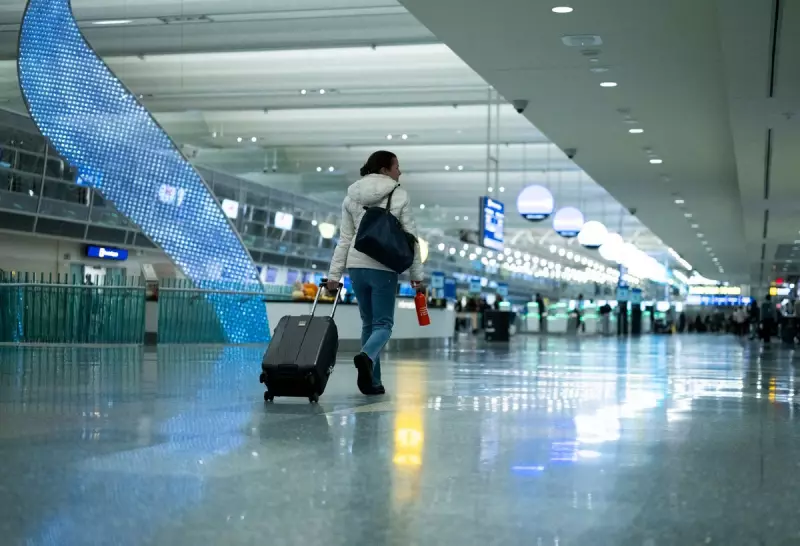
A powerful winter storm is creating severe disruption for millions of Americans returning home after the Thanksgiving holiday, with extensive warnings for heavy snow and hazardous conditions across a vast swathe of the country.
Widespread Warnings and Forecasted Snowfall
The National Weather Service issued winter storm warnings on Friday, covering an area from Montana all the way to New York. The system is delivering a punishing mix of heavy snow, rain, and bitterly cold temperatures, threatening to paralyse post-holiday travel throughout the weekend.
Parts of Iowa and Illinois are expected to bear the brunt of the storm, with meteorologists predicting snow accumulations of six to 12 inches (15 to 30 centimetres) from Friday night into Saturday night. Despite the significant snowfall, forecast conditions did not meet the official criteria for a blizzard warning, which requires sustained winds of at least 35 mph (56 kph), visibility reduced to under a quarter mile (400 metres), and a duration exceeding three hours.

Regional Impacts and Dangerous Conditions
The storm, which had already blanketed the northern Plains and Great Lakes, continued its eastward sweep. Over a foot of snow was anticipated downwind of the Great Lakes, including areas near Lake Superior, Erie, and Ontario, as well as in central New York state.
Authorities also warned of dangerous snow squalls for the interior Northeast. These sudden, intense bursts of snow can create whiteout conditions, making travel extremely perilous in a matter of minutes.
Further west, the Pacific Northwest and the Rockies braced for a mixture of snow and rain on Friday. While conditions in the Rockies and northern Plains were forecast to ease by Saturday, the severe weather was set to shift its focus to the Midwest. To the south, the western Gulf Coast prepared for heavy storms and potential flash flooding on Saturday.
Plummeting Temperatures and Travel Chaos
Temperatures have dropped dramatically below seasonal averages across the eastern and central United States. Friday's highs were only expected to reach the 20s and 30s Fahrenheit in the Midwest, the 30s and 40s in New England and the Mid-Atlantic, and the 40s and 50s in the Southeast.
The adverse weather on Thanksgiving itself had already caused numerous vehicle crashes in western Michigan, signalling the dangerous travel conditions that would continue through the weekend. With airports experiencing high passenger volumes due to the holiday, the storm is poised to cause significant travel disruption for both air and road travellers across the nation.