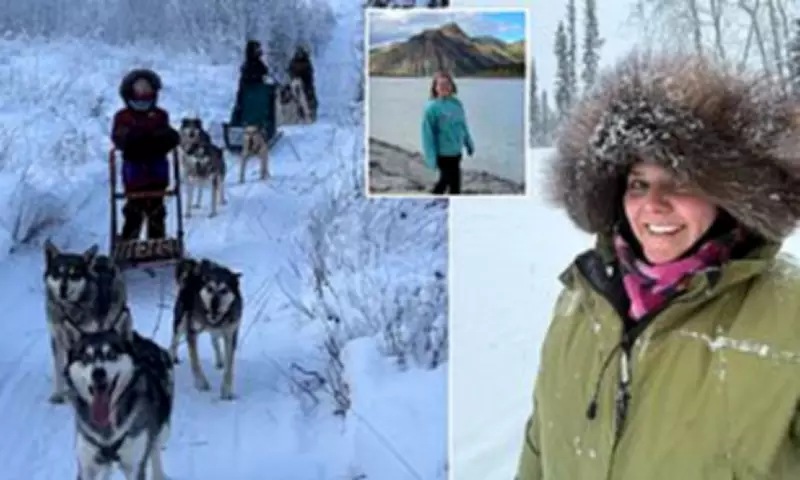
Olivia Jones, a 33-year-old mother of four, has shared an intimate account of her family's radical relocation from the urban sprawl of St. Louis, Missouri, to the remote Alaskan village of Eagle, a community of fewer than one hundred souls. While the move fulfilled a long-held yearning for a simpler, nature-immersed existence, it has unveiled a world of formidable challenges alongside its profound rewards.
The Allure of a Slower Pace
The decision to uproot their lives was driven by a deep-seated desire for intentional living. "The pull to move to remote Alaska came from a need to slow down and live more purposefully as a family," Olivia explained. "We were drawn to the outdoors, self-sufficiency, and escaping the relentless hustle of modern life."
With ancestral ties to the area—her grandfather was a gold miner there in the 1970s and her parents have resided there for over a decade—Eagle felt like a destined homeland. The family now fills their days with quintessential Alaskan pursuits: dog mushing, skiing, and sledding, constantly enveloped by the raw beauty of the wilderness.

The Daunting Logistics of Remote Life
However, this idyllic vision is tempered by relentless practical hurdles. The most pressing daily concern is the monumental task of securing food and supplies. With no fast-food outlets or local supermarkets, every meal requires meticulous advance planning and home cooking.
"We have to plan everything far in advance and carefully track everything we use," Olivia noted. For bulk shopping, the family embarks on a staggering nine-hour drive to the nearest Costco, towing a 14-foot trailer laden with coolers and storage tubs. "It's like moving half the store with us," she remarked. An alternative is ordering groceries from Fred Meyer, which arrive via mail plane at a cost of 78 cents per pound, requiring a timely meet-up at the airstrip for collection.
Battling the Elements and Wildlife
The environment itself presents a constant trial. This past December saw record-breaking cold, with temperatures persistently hovering at -50°F (-45°C). "That was a trial by fire for our first winter," Olivia confessed, detailing efforts to conserve heat by using extra firewood and covering windows with blankets.
Living by the Yukon River adds another layer of peril, with spring ice break-ups risking floods. Wildlife awareness is a critical component of everyday safety. While moose are frequent visitors, and caribou, eagles, and martens are occasionally sighted, the presence of bears in warmer months necessitates constant vigilance, especially for the children.
Healthcare and Community in Isolation
The absence of a local hospital underscores the vulnerabilities of remote living. The nearest medical facility is a small clinic in a neighbouring tribal village, staffed by a health aide. For serious emergencies, a medevac flight to Fairbanks—costing up to $60,000—is required. The family mitigates this risk with supplemental air ambulance insurance, costing around $200 annually.
Yet, within these challenges, the family has discovered immense positives. "I never expected to see people show up for one another the way they do here," Olivia said, praising the small, supportive community. Her children, two of only sixteen students at the local school, are thriving. They engage in unique educational programs, learning to identify native plants, practice fur sewing, and contribute data on the Yukon River to the University of Alaska Fairbanks.
They have also attended a local Culture Camp, acquiring skills like knife-making from steel and birch bark, salmon processing, and learning traditional songs from elders. "Living in a remote area hasn't limited them at all. They're gaining skills and connections they might never have in a more populated place," Olivia observed.

A Life Recalibrated
In reflection, Olivia asserts that the positives—deep family connection, community solidarity, and a life surrounded by nature—far outweigh the formidable difficulties. The move has instilled a powerful intentionality in how they spend their time. "We get to be more present with our kids, more thoughtful with our time, and more connected as a family," she concluded. For the Jones family, the Alaskan frontier, with all its harshness and beauty, has become the unlikely crucible for a richer, more deliberate way of life.