Japan's Deadly Snowfall: 46 Fatalities and Widespread Travel Disruption
Tourists planning visits to Japan are facing significant warnings about widespread disruption to their travel arrangements following a prolonged period of intense snowfall that has resulted in at least 46 confirmed deaths and over 550 injuries across the nation. The Japan Fire and Disaster Management Agency reported these sobering figures as the crisis continues to unfold.
Record-Breaking Snowfall Causes Travel Chaos
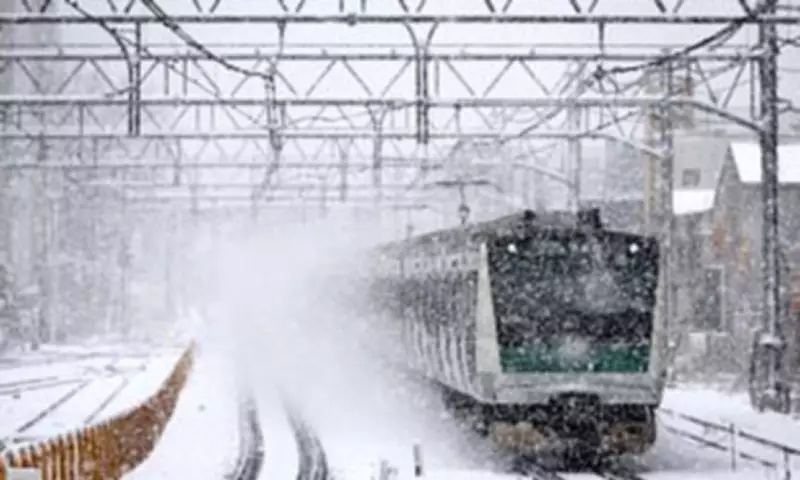
Nearly three weeks of record-breaking snowfall has created travel chaos across extensive portions of the country, leading to:
- Cancelled flights affecting numerous airports
- Delayed bullet train services on key routes
- Blocked roads making transportation impossible in many areas
This "disaster-level" snow blast has deposited over 1.8 metres of snow in some regions, primarily affecting northern, central, and western parts of Japan. Areas along the Sea of Japan coastline have been under particularly severe pressure from the relentless winter conditions.

Hardest Hit Regions and Emergency Response
While winter storms are not unusual for many parts of Japan, the recent snowfall has been significantly heavier than typical seasonal patterns, with thick layers accumulating within mere hours. Among the most severely impacted areas are:
- Niigata Prefecture - reporting 17 deaths so far, with officials calling on the Ground Self-Defense Force for assistance in snow removal operations
- Aomori Prefecture - recording 1.75 metres of snow, more than double the average for this time of year
The situation became so dire that a national route in Ito City, Shizuoka Prefecture, was temporarily closed on February 8th after icy conditions stranded vehicles, trapping both tourists and residents who were prevented from leaving the area.
Tragic Consequences and Ongoing Hazards
Tragically, many of the fatalities occurred during snow-removal efforts, with residents falling from roofs while attempting to clear accumulated snow or being crushed by collapsing "ice mounds" falling from buildings. The human toll includes at least two foreign nationals, including an Australian man holidaying in Niseko, a popular ski resort area in Hokkaido, who died in separate snow-related incidents on the slopes this month.
With the Lunar New Year approaching and an expected influx of visitors, the Japan Meteorological Agency and local authorities have issued critical warnings for both residents and tourists. As temperatures begin to rise, new hazards are emerging, including:
- High risk of avalanches in mountainous regions
- Falling snow and icicles from rooftops
- Potential flooding as snow melts rapidly
Specific Warnings for Tourists and Skiers
Travellers have been urged to remain especially vigilant when walking through resorts and northern cities like Aomori, where towering walls of snow - some twice the height of a person - continue to line the streets, creating persistent concerns about structural stability.
For those with planned visits to Japan, authorities recommend installing the Japan National Tourism Organization's "Safety Tips" app on smartphones, which provides real-time alerts for weather conditions, natural disasters, and avalanche warnings.
Skiers have received specific avalanche advisories for mountainous regions including parts of Hokkaido, Aomori, Iwate, Nagano, and Yamagata. Sudden temperature increases can weaken bonds between snow layers, leading to dangerous "wet" snow slides that pose deadly risks for backcountry enthusiasts.
This warning comes after three people were killed by avalanches while skiing off-piste in mountains near where the Milano Cortina Winter Olympic Games are taking place, highlighting the serious nature of current conditions.