In a devastating turn of events, a second Australian has tragically lost their life at a Japanese ski resort within days, highlighting the dangers of winter sports in the region's extreme conditions.
Avalanche Tragedy in Niseko Back-Country
An Australian man, believed to be in his twenties, has died following an avalanche incident at a popular ski destination in Japan. The tragedy occurred on Monday in the back-country terrain situated between the Niseko Moiwa Ski Resort and the Niseko Annupuri International Ski Resort.
The man was skiing as part of a group of seven individuals when he went missing halfway down the mountain. His companions noticed his absence and initiated a search around 3pm, according to local media reports.

Desperate Rescue Attempt
Upon locating the missing skier, the group discovered that another party of four skiers was already administering cardiopulmonary resuscitation (CPR). Preliminary reports strongly indicate that the man had been buried by an avalanche, with the area experiencing unprecedented snowfall over the past fortnight.
This region of Japan has received record-breaking snow accumulation in recent weeks, creating potentially hazardous avalanche conditions that may have contributed to this fatal incident.
Separate Chairlift Fatality
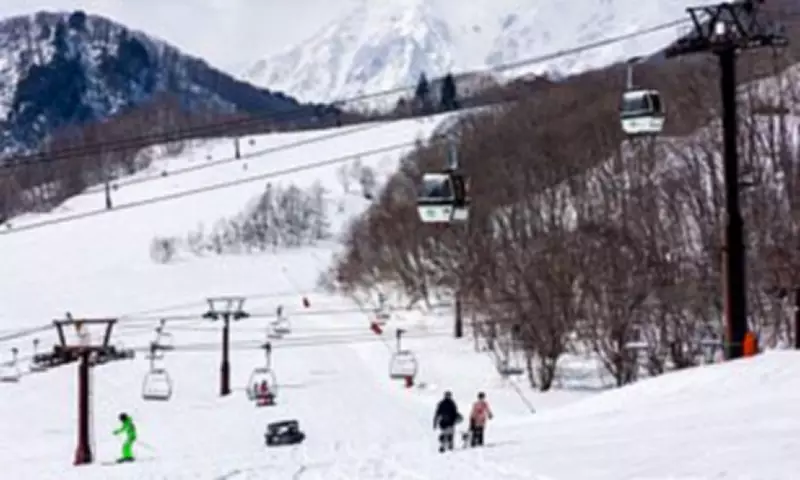
This latest tragedy follows another heartbreaking accident that claimed the life of a young Australian woman just days earlier. Brooke Day, a 22-year-old from the Sunshine Coast, died in a separate incident at the Tsugaike Mountain Resort in Otari, located within Nagano Prefecture.
The fatal accident occurred on Friday while Ms Day was snowboarding and using the resort's chairlift system. According to Tsugaike Mountain Resort chief executive Tsuneo Kubo, the lift's buckle became entangled with her backpack as she attempted to disembark.
Chain of Events Leading to Tragedy
The entanglement proved catastrophic as Ms Day was dragged along when the chairlift began moving in the opposite direction. Compounding the situation, the chest strap of her backpack remained fastened, preventing swift removal of the equipment from her body.
A resort worker activated the emergency stop button, bringing the chairlift to a halt. However, medical complications ensued, with Ms Day reportedly suffering cardiac arrest before emergency services could transport her to hospital.
Despite medical intervention, she was pronounced dead on Sunday, adding to the growing concern about safety measures at Japanese ski resorts frequented by international visitors.
Safety Concerns Mount
These consecutive tragedies involving young Australians have raised serious questions about safety protocols and emergency response procedures at Japanese winter sports destinations. Both incidents occurred at established resorts popular with international tourists, particularly Australians who frequently visit Japan for winter holidays.
The back-country avalanche death highlights the risks associated with venturing beyond marked ski boundaries, especially during periods of heavy snowfall. Meanwhile, the chairlift accident underscores potential equipment safety issues that require thorough investigation.
Japanese authorities and resort operators are expected to review safety measures as the winter season continues, with particular attention to avalanche risk assessment and chairlift operation protocols. The Australian Department of Foreign Affairs and Trade has been notified of both incidents and is providing consular assistance to the affected families.