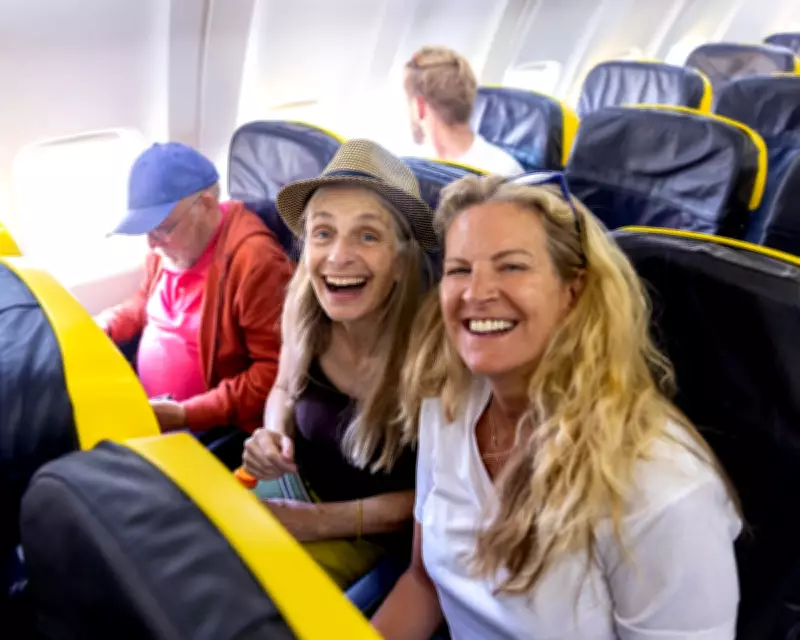
The Unlikely Appeal of the Middle Seat
In an era where airlines increasingly charge extra for seat selection, a counterintuitive movement is gaining traction among certain travellers. These individuals are not just accepting the middle seat—they are actively choosing it, embracing what many consider the most awkward and inconvenient spot on an aircraft. This phenomenon, highlighted by the New York Times, aligns with a broader 2026 trend of seeking out friction and inconvenience in daily life, but takes it to new heights, quite literally.
Perks of the Middle Ground
For those who love the middle seat, the attractions are surprisingly varied. Some proponents argue it offers the best of both worlds: a partial view out of the window combined with relatively easier access to the aisle compared to window seats. More controversially, they claim an "ethical entitlement to both armrests," a notion that might spark debates with neighbouring passengers. Others view it as an exercise in Zen humility, a way to relinquish "main-character energy" and reduce travel-related stress. As James Cashen, a middle-seat enthusiast, explained on TikTok, his philosophy is simple: "Be grateful that you're flying and that's it."
Strangermaxxing and Social Benefits
Cashen's secret coping strategy involves striking up conversations with fellow passengers, embracing what he calls a "leadership role" as the "glue" between seatmates. While he clarified in responses to appalled commenters that he prefers to go with the flow rather than initiate aggressively, this approach taps into a growing interest in social interaction. Psychologist Dr. Gillian Sandstrom, author of a forthcoming book on talking to strangers, is evangelical about the benefits of such encounters. She notes that engaging with strangers can foster learning, connections, creativity, and comfort with uncertainty and rejection.

Sandstrom, though not a voluntary middle-seater herself, seizes the opportunity when it arises. She recently learned about US cross-country bike racing from a Polish seatmate, gaining insights like Kentucky having the most courteous drivers but also the scariest dogs. Her advice for in-flight "strangermaxxing" is to engage either during take-off or near landing by asking questions, such as inquiring about duty-free purchases or tips on the destination. Even posing, "What do you think of middle-seat people?" could spark an interesting dialogue.
Reflections on Travel and Convenience
This trend raises broader questions about modern travel and the pursuit of convenience. For many, like columnist Emma Beddington, who often finds herself in the middle seat by default when flying with her restless husband, it prompts introspection. Buried in a book with earplugs in, she wonders if she might be missing out on potential friendships or engaging chats. The concept of "friction-maxxing" suggests that less convenience could lead to greater happiness, challenging the prevailing norms of air travel where comfort and personal space are highly prized.
As airlines continue to monetise seat selection, the middle seat remains a symbol of compromise and, for a growing minority, an opportunity. Whether driven by humility, social curiosity, or a desire to break from routine, these travellers are redefining what it means to fly comfortably. In a world increasingly focused on efficiency and ease, their embrace of the awkward serves as a reminder of the unexpected joys that can arise from discomfort and human connection.