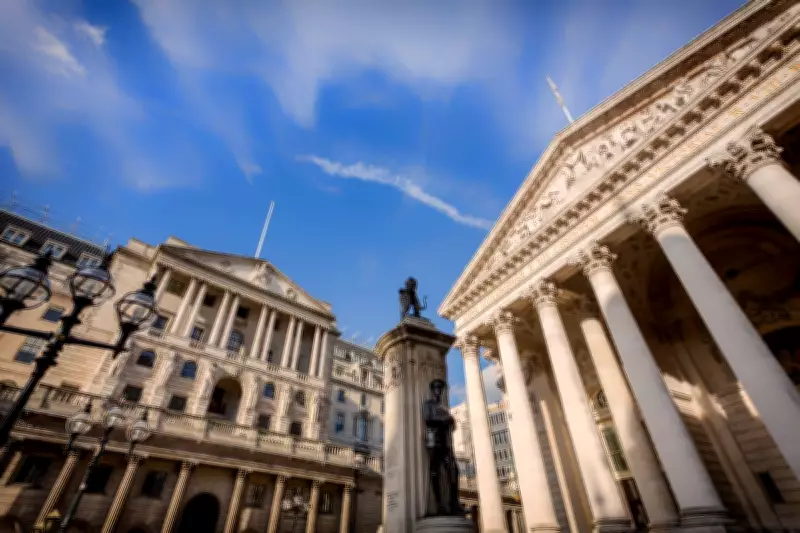
The Bank of England is poised to hold its first interest rate decision of 2026 on Thursday, with financial markets and analysts widely expecting rates to remain unchanged at 3.75 per cent. This anticipated hold follows an unexpected uptick in inflation, which rose to 3.4 per cent in December, complicating the Monetary Policy Committee's (MPC) path forward.
Inflation Data Complicates Rate-Cutting Trajectory
December's inflation increase to 3.4 per cent has introduced a new layer of caution into the Bank of England's deliberations. This rise comes after a series of four rate cuts throughout 2025, which saw the base rate gradually lowered from higher levels to its current 3.75 per cent. The MPC has adopted a measured and prudent approach, aiming to balance persistent inflationary pressures against other economic challenges.
Monetary Policy Committee's Delicate Balancing Act
The nine-member MPC faces a complex set of economic indicators as it convenes for this crucial vote. While inflation remains above target, the committee must also consider sluggish economic growth, elevated wage levels, and a rising unemployment rate. This multifaceted economic landscape is likely to result in divided opinions among MPC members regarding the optimal monetary policy strategy.

Market expectations suggest that without further data indicating a sustained downward trend in inflation, additional rate cuts will be limited. Current projections indicate perhaps only two more reductions might occur throughout the remainder of 2026, reflecting the Bank's cautious stance toward further monetary easing.
Mixed Implications for Consumers and Savers
The interest rate environment continues to create divergent experiences for different segments of the population. Homeowners not secured on fixed-rate mortgage deals may face higher repayment costs if rates remain elevated or increase further. Conversely, savers benefit from improved returns on deposits held with banks and building societies when interest rates are higher.
Glimmers of Relief in Consumer Spending
Despite the broader inflationary pressures, consumers have received some positive news recently. Grocery inflation has shown signs of easing slightly in recent weeks, offering a modest reprieve for household budgets. This development, while welcome, represents just one component of the broader inflationary picture that the Bank of England must consider in its policy decisions.
The Bank's forthcoming announcement will be closely scrutinized by economists, businesses, and households alike, as it sets the tone for monetary policy in the early months of 2026 and provides insight into how the MPC interprets the latest economic data.