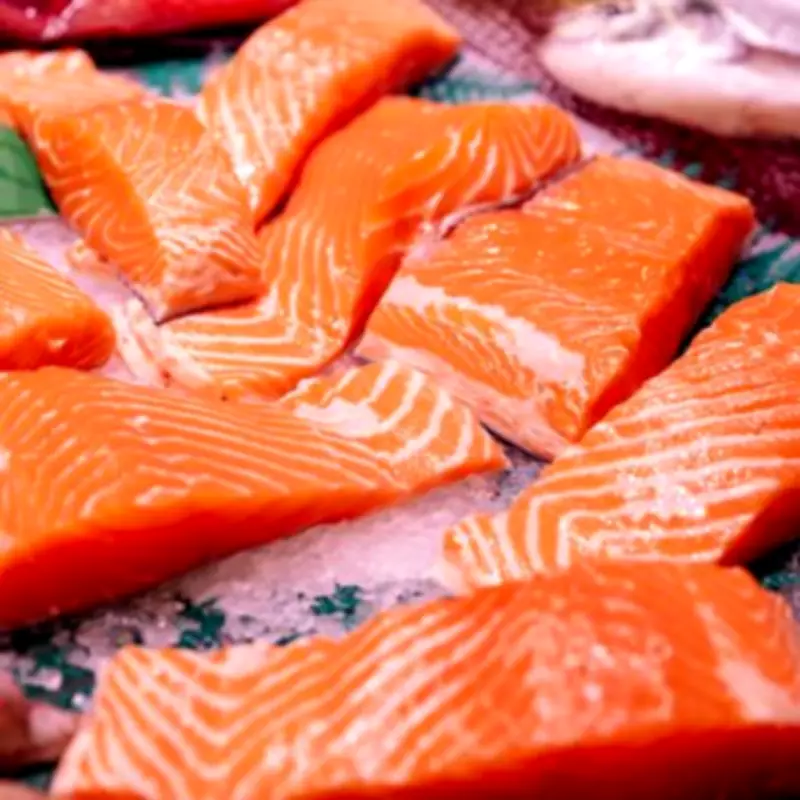
Aldi has launched an urgent product recall for one of its popular fish items following the discovery of a potentially dangerous labelling mistake. The supermarket giant is advising customers to immediately return The Fishmonger Hot Smoked 2 Salmon Fillets – Honey Roasted for a full refund.
Critical Date Error Discovered
The 180g packs of honey roasted salmon fillets have been found to display an incorrect use-by date that could mislead consumers about the product's safety. Instead of the correct expiration date of April 25, 2026, the packaging shows June 25, 2026 – creating a two-month discrepancy that could lead to consumers eating spoiled fish.
Official Safety Warning Issued
The Food Standards Agency has issued a formal alert regarding the affected product. A spokesperson stated: "If you have bought the product, please do not consume it. Instead, return it to the store from where it was purchased for a full refund."

Point of sale notices are being displayed in all retail stores selling the product, explaining the recall procedure to customers. Aldi has also provided contact information for concerned consumers, directing them to visit help.aldi.co.uk/s or call Customer Services on 0800 042 0800.
Understanding Food Recalls
When a food product presents safety concerns, retailers typically implement either a withdrawal (removing items from shelves) or a recall (asking customers to return purchased products). The Food Standards Agency issues Product Recall Information Notices to inform both consumers and local authorities about such issues.
In more serious cases, the agency may issue a 'Food Alert for Action,' which provides specific instructions to local authorities regarding protective measures they should implement on behalf of consumers.
Identifying Spoiled Fish
Consumers should be aware of several indicators that fish may have spoiled:
- Odor: Fresh fish should smell like the ocean or have no noticeable odor. A sour, ammonia-like, or intensely "fishy" smell indicates decomposition
- Texture: The flesh should be firm and spring back when pressed. Slimy, mushy textures or indentations that remain after touching suggest protein breakdown
- Appearance: Look for milky or yellowish films on the surface. Fresh fillets appear translucent or bright, while dull, grey, or spotted surfaces indicate spoilage
Health Risks of Consuming Spoiled Fish
Eating fish past its safe consumption date can lead to several serious health conditions:
Scombroid Poisoning
Also known as histamine toxicity, this is one of the most common illnesses resulting from spoiled fish consumption. Unlike standard bacterial contamination, histamine is heat-stable, meaning thorough cooking cannot eliminate the toxin.
Symptoms typically appear within minutes to an hour and may include:
- A "pepperish" or metallic taste in the mouth
- Facial flushing and skin redness
- Hives or skin rash development
- Rapid heart rate and palpitations
- Severe headaches
The reaction often mimics an intense allergic response and requires medical attention.
Other Potential Infections
Consuming spoiled fish can also expose consumers to dangerous pathogens including:
- Salmonella – causing gastrointestinal distress and fever
- Listeria – particularly dangerous for pregnant women, elderly individuals, and those with compromised immune systems
- Vibrio vulnificus – a bacteria that can cause severe wound infections and bloodstream infections
Fresh and minimally processed salmon typically maintains quality for only a few days when properly refrigerated, not the months suggested by the incorrect labelling on the recalled Aldi product.