









Entertainment
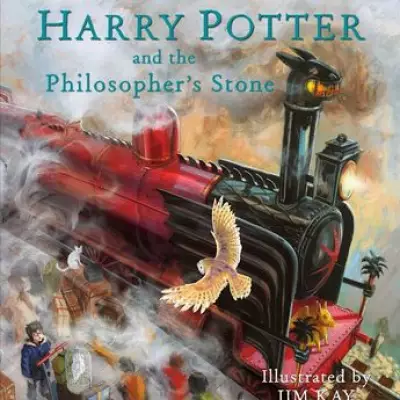
Stunning Illustrated Harry Potter Editions Transform Books into Art
Discover the most beautiful Harry Potter books ever created, from Jim Kay's illustrated novels to full-colour companion editions that elevate the wizarding world into breathtaking visual art.





Politics

Iran Accused of Holding Global Economy Hostage Over Strait of Hormuz Blockade
Foreign Secretary Yvette Cooper warns Iran cannot hold the world economy hostage as G7 ministers meet amid rising oil prices and Trump's delayed threats.



Sports
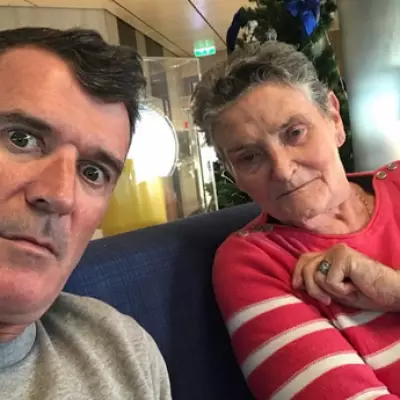
Roy Keane's Mother Marie Passes Away Peacefully at Hospice
Manchester United legend Roy Keane's mother, Marie Keane, has died peacefully while surrounded by family at Marymount Hospice, as confirmed in a family statement.


Crime

Gilgo Beach Suspect May Plead Guilty to Multiple Murders in Court
Rex Heuermann, accused in the Gilgo Beach serial killings, is expected to plead guilty and admit to seven murders at his upcoming court appearance on April 8, 2026.







Health





Weather
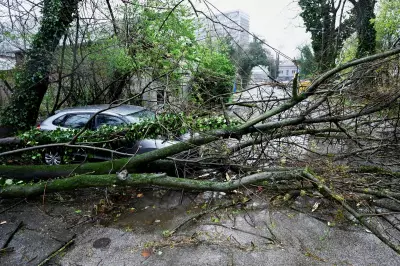
Balkan Blizzard Shuts Schools, Cuts Power, Blocks Roads
Severe snowstorms and gale-force winds have paralysed parts of Slovenia, Croatia, and Bosnia, forcing school closures, causing widespread power outages, and blocking major transport routes.
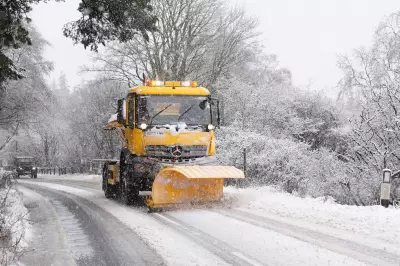
UK Cold Snap Brings Snow, Hail and Thunder This Weekend
The UK faces a weekend of blustery showers, wind, and hail, with temperatures dropping to 3-4C. Heavy rain, potential snow on Scottish hills, and possible thunder are forecast before milder conditions return next week.
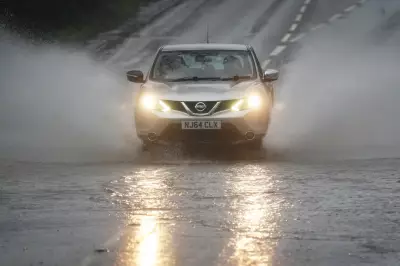
UK Weekend Weather: Rain, Wind, Hail Before Sunnier Days
The UK faces a weekend of unsettled weather with blustery showers, wind, and hail, as temperatures could drop to 3C on Saturday. However, milder conditions are expected by Tuesday, with temperatures possibly reaching 17C in the southeast.

Three Dead, Two Injured in Kauai Helicopter Crash
A helicopter crash on Kalalau Beach in Hawaii's Kauai island has resulted in three fatalities and two injuries. The aircraft, operated by Airborne Aviation, was carrying a pilot and four passengers.

Clocks Spring Forward This Weekend for British Summer Time
The UK switches to British Summer Time on 29 March 2026, with clocks moving forward one hour at 01:00 GMT, bringing longer evenings and brighter days ahead.
British Isles Geography: Thursday Challenge
Thursday means geography challenge time! Test your knowledge of the British Isles with questions about landscapes, cities, rivers, and famous landmarks.
