New data reveals a dramatic surge in the number of couples choosing to marry on their deathbeds, a trend largely driven by a desire to avoid substantial inheritance tax bills and secure financial rights for surviving partners.
A Sharp Rise in Last-Minute Nuptials
According to figures from the General Registrar’s Office, there were 836 registrar general’s licences issued for deathbed marriages in the year leading up to June 2024. This represents a staggering 49 per cent increase compared to the 561 licences granted in the equivalent period a decade earlier, between June 2014 and June 2015.
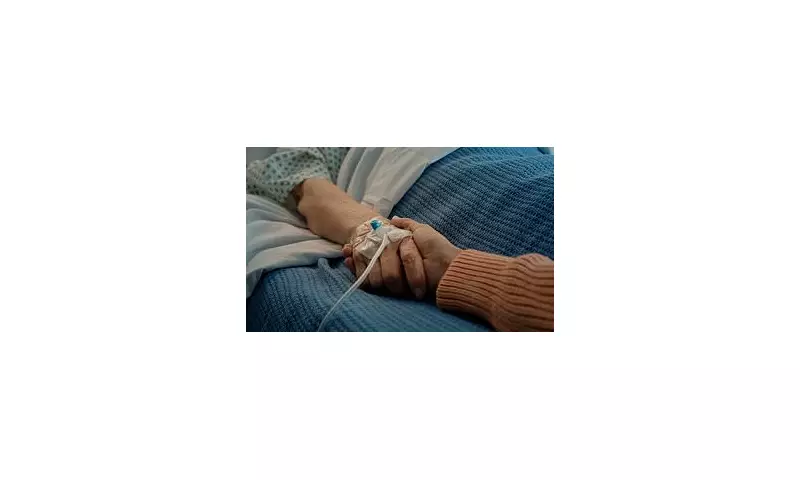
These special licences allow for a swift process, enabling a marriage or civil partnership ceremony to be arranged within a single day. This speed facilitates ceremonies in unconventional locations, including private homes, hospices, and hospital wards.

The Financial Motive Behind the Trend
Experts directly link this increase to the rising number of cohabiting couples across the UK. Office for National Statistics (ONS) data shows the number of people cohabiting jumped from 5.4 million to 6.8 million between 2021 and 2022—an increase of around 25 per cent.
Alison Fernandes, a partner at Hall Brown family law solicitors, explains the critical financial discrepancy. "The numbers of cohabitees are on the rise and where one of the partners in these couples is terminally ill, it’s becoming increasingly the case that all of a sudden they want to get married quickly," she told The Times.
The urgency often stems from the harsh reality of UK inheritance law:
- Married couples and civil partners can inherit each other’s entire estate completely free of inheritance tax.
- Unmarried couples face a 40 per cent tax on any assets exceeding the £325,000 threshold.
Furthermore, many occupational pension schemes will only pay a widow’s or widower’s pension to a legally married spouse, not a cohabiting partner.
A 'No-Brainer' and a Famous Example
Ms Fernandes noted that while cohabitation may seem a more flexible modern choice, marriage is often a financial "no-brainer" that couples only consider when confronted with terminal illness. Harry Benson of the Marriage Foundation think tank echoed this, expressing regret that people often don't realise the power of a marriage certificate until it is nearly too late.
A prominent example of the immense financial benefit involved the late comedian Sir Ken Dodd. He married his long-term partner, Anne Jones, just days before his death in 2018 at age 90. As a child-free married couple, she inherited his entire £27.8 million fortune tax-free, a move that potentially saved her an estimated £11 million in inheritance tax.
This poignant trend underscores a significant gap in financial planning and legal awareness among the UK's growing population of cohabiting couples, prompting many to utter their vows in the most final of moments.