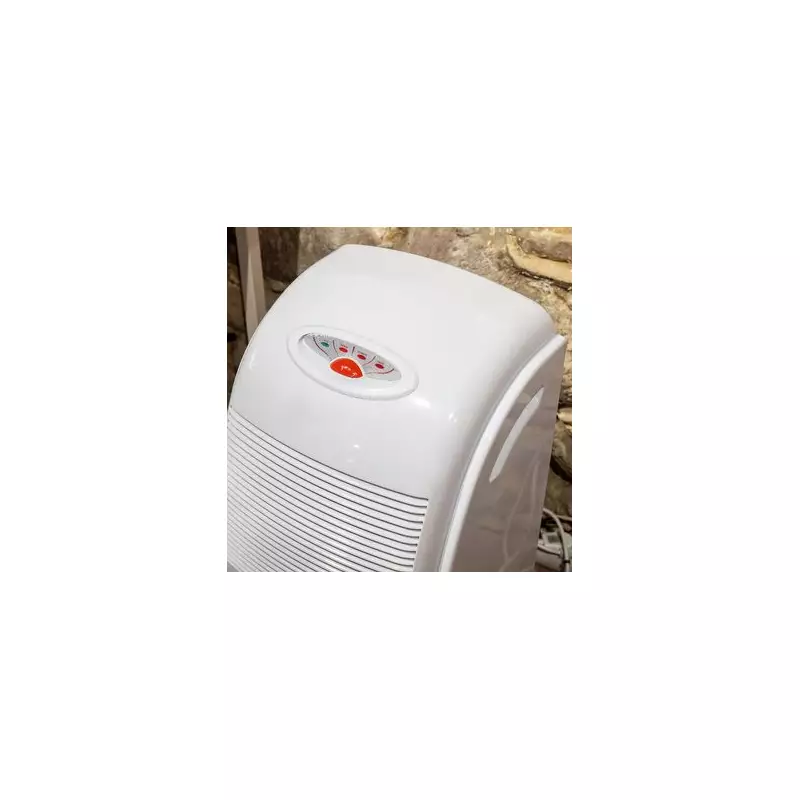
As the UK endures another spell of cold, wet weather, searches for dehumidifier deals have skyrocketed. Hundreds of thousands are seeking solutions for condensation-covered windows, mouldy walls, and the unhealthy, musty smells plaguing their homes. However, a leading expert cautions that these popular moisture-grabbing gadgets might not be the silver bullet many hope for and could even pose health risks.
The Hidden Problem in Modern, Sealed Homes
According to Michael Taylor, an expert in air quality and fungus at Flinders University, a significant part of the issue stems from how tightly sealed modern houses are. "The way we live in often well-sealed houses can trap lots of the moisture we sweat and steam off though everyday activities," he explained. He notes that showers, cooking, sweating, and drying clothes generate a staggering six to 12 litres of indoor moisture per person every day.
Taylor warns that simply buying a dehumidifier may not address the core problem. "A dehumidifier might reduce moisture in a house but it won’t fix the underlying problem if your house has insufficient systems to re-route moisture outside," he stated. He acknowledges that for renters or those on a tight budget, a dehumidifier can help keep conditions manageable if installing proper extraction fans isn't an option.
Why Your Dehumidifier Might Be Underpowered
Choosing the right unit is crucial. Most mid-range models claim to extract between three to 15 litres of water daily. "That’s probably enough to help in some areas. But moisture will spread itself through the whole house," Taylor told The Conversation. This capacity figure also fails to account for the natural moisture already in the air.
He breaks down the science: one cubic metre of air at 20°C can hold about 17 grams of water. At 10°C, this drops to around 10g, but at 30°C, it can hold roughly 30g. "With air flowing in and around the house and different rooms, you’re starting to approach a few litres of natural moisture just hanging around," Taylor said. During periods of "seemingly endless rain," the total water volume needing removal from a whole house can reach tens of litres per day.
"Without some seriously big dehumidifiers, you simply won’t be able to overcome that problem without being targeted in your approach," he emphasised.
Smart Strategies and Potential Health Risks
For best results, Taylor advises a targeted strategy:
- Control incoming outside air by keeping windows closed during rainy weather.
- Place the dehumidifier directly in the most moisture-laden area of the house.
- Ensure there is good air circulation around the device.
- Consider closing the door to the affected room to help the unit work more efficiently, but recognise it's a balancing act for whole-house humidity.
He also highlights a counter-intuitive danger: removing too much moisture. "Pushing the relative humidity too low can be uncomfortable," Taylor warned. It can dry out eyes, skin, and mucous membranes, potentially increase infection risks, and cause long-term damage to materials like wood, paper, art, and heritage flooring.
The expert's final advice is clear: "Dehumidifiers can help if you’re clever with what you’re trying to achieve, but you should always look to solve the underlying cause." The ultimate solution, where possible, is to improve exhaust systems and overall home ventilation, tackling the damp problem at its source.