For countless American families, a sudden car breakdown is more than an inconvenience; it's a financial catastrophe that can wipe out savings and plunge households into debt. With cars essential for daily commutes, school runs, and work, an unexpected repair bill of just $1,000 is often insurmountable, exposing a stark reliance on private vehicles amid inadequate public transport.
The High Cost of a Broken Down Car
Recent discussions with parents across the United States reveal a common and distressing theme. In a dedicated WhatsApp group, nearly every participant confessed that an emergency car expense this year had left them in financial straits, often decimating their carefully built savings. This aligns with national data: the AAA travel organisation reports that most car owners spend over $1,400 annually on maintenance, with a staggering 64 million Americans forced into debt to cover these costs.
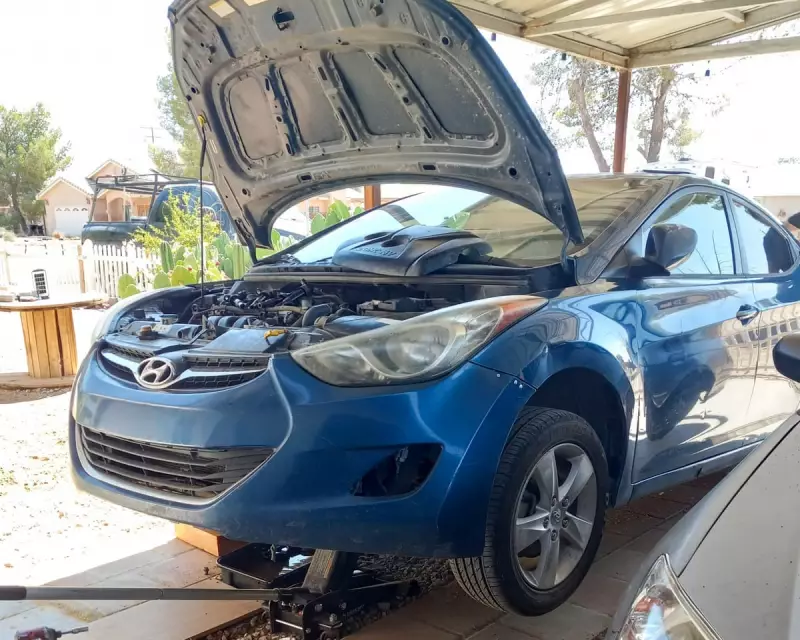
The crisis struck Gabriela Rangel on 18 September in California City, California. After a day of relentless rain, she ventured out to collect her five-year-old son, Rayo, from school. Just two blocks from her destination, her car hit a dip in a flooded dirt road. Water surged into the engine, stalling and destroying her sole mode of transport.

"This year, I had tires blow out, battery failure and my engine ruined in a flash flood. But I can’t afford a different car, so I opted to replace it with a used engine," Rangel explained. With used-car prices soaring post-pandemic, she was without a vehicle for over two months while sourcing a cost-effective replacement.
For Rene Mayhorn Williams, a failed transmission triggered a financial domino effect. Sharing one car with his wife to ferry their three young daughters to different schools and daycares, the breakdown forced a rushed purchase of a new vehicle. The family then learned the original car could have been repaired after a six-week wait. "We spent about $10,000 in cars within four months, which shook up our entire financial health," Williams stated.
No Alternative: The Public Transport Gap
For these families, turning to buses or trains is seldom a viable option. The parents uniformly reported a lack of reliable, convenient public transit for school runs, commutes, or errands. This forces an absolute dependence on often ageing personal vehicles.
Isabel Hernandez, who works nights at an Amazon facility in San Bernardino and has three daughters, epitomises this struggle. She finishes work after midnight, drives home, and is up before 7am to take her children to three separate schools. School buses are not available for any of her daughters, aged 6 to 17. Her daughter Natalia attends a better-resourced "lottery" school outside their neighbourhood, rendering her ineligible for busing.
Even where bus services theoretically exist, they are impractical. Gabriela Rangel noted that the school bus stop for her son's kindergarten is further from her home than the school itself, making the daily walk unreasonable for a young child.
Budgetary Wreckage Before the Holidays
These crippling expenses have arrived at the worst possible time for many, derailing holiday plans and forcing severe budget cuts. When asked about their financial outlook before the festive season, numerous parents identified car repairs as their most significant recent outlay.
Alyssa Yosten, a mother of two children under four, summed up the frustration: "I just can’t win." Her car failed a smog inspection over Thanksgiving, and then her husband's car suffered blown-out tires. Their savings are now earmarked for new tires, leaving little for Christmas. "My family has decided to only give presents to the little ones and skip gifts with the adults," she said.
Other parents shared similar stories of austerity. Jennifer Wilson, a single mother to a five-year-old, disclosed spending $4,500 on car repairs this year alone, atop monthly insurance and weekly fuel costs. Chris Cuzul, who felt "lucky" to have spent only $2,000-$3,000, observed that every aspect of car ownership has become more expensive. "Vehicle expenses have doubled. Gas, tires and maintenance costs are only going up," he said.

Despite the financial strain, families are determined to preserve holiday spirit. Isabel Hernandez plans to focus on creating memories through simple traditions like decorating cookies and building a gingerbread house, proving that resilience often outlasts financial hardship.