A seismic shift in American dining habits, driven by the surging popularity of weight-loss medications, is forcing the nation's restaurant chains to rethink their menus. With a significant portion of the population now using appetite-suppressing GLP-1 drugs like Ozempic, Wegovy, and Zepbound, eateries are rapidly introducing smaller portions and protein-focused dishes to cater to changed consumer demands.
Appetites Shrink, Menus Adapt
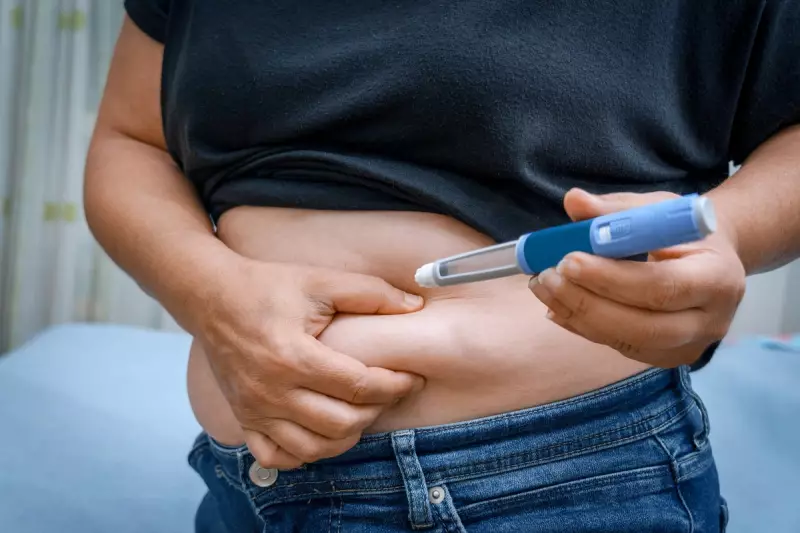
The scale of this change is underscored by a recent poll from the Kaiser Family Foundation. It found that 12 percent of Americans now report taking a GLP-1 drug, a figure that has doubled since May of the previous year. These medications, originally developed for diabetes, slow digestion and suppress hunger, leading users to seek less food but often with higher nutritional density.
In response, national chains are capitalising on this health and wellness trend. Smoothie King led the charge in 2024 by launching a dedicated GLP-1 Support Menu, developed with a registered dietitian. Its smoothies boast added protein and fibre, with zero grams of added sugar, setting a template for others to follow.

From Pasta to Protein Pockets: Chains Get Creative
The adaptation is widespread. Italian casual dining giant Olive Garden added a "lighter portion" section to its menu in December, offering smaller, more affordable entrees. Ricardo Cardenas, CEO of parent company Darden Restaurants, noted the section gives guests more choice and "just so happens to benefit the consumers that might want smaller portions that are on GLP-1 medications."
Meanwhile, fast-casual chains are emphasising protein. Chipotle now offers a high-protein menu, including a 'High Protein Cup' of cubed chicken with 32 grams of protein. Chris Brandt, Chipotle's president, cited a "clear shift toward diets rich in protein and fibre, and for some guests, smaller portions throughout the day." Similarly, Subway has introduced "Protein Pockets"—small snack wraps with over 20g of protein—and Shake Shack launched a "Good Fit Menu" featuring lettuce-wrapped burgers.
A Broader Health Trend Beyond Medication
While these changes directly address the needs of GLP-1 users, they align with a wider national focus on protein and reduced sugar. Earlier this year, the US government's updated dietary guidelines significantly increased the recommended daily protein intake from 0.8 to between 1.2 and 1.6 grams per kilogram of body weight.
This confluence of pharmaceutical and dietary trends signals a lasting change in the American food landscape. Restaurants are not merely offering diet options but are fundamentally restructuring their offerings. As Luke DeRouen of Shake Shack stated, the move responds to guests "increasingly looking for more flexibility in how they enjoy their favourite restaurants." The "Ozempic effect" is proving to be far more than a fleeting phenomenon, permanently altering plates and profit strategies in the competitive restaurant industry.