Supermarket Ads Banned Under New Health Regulations
Supermarket chains Lidl and Iceland have become the first retailers to have advertisements banned under new government regulations targeting less healthy food and drink products. The rules, which came into effect at the beginning of this year, are part of a broader government initiative to tackle childhood obesity by restricting advertisements for items high in fat, salt, and sugar.
Scope of the New Advertising Restrictions
The new ban specifically applies to products falling within thirteen categories considered to play a significant role in childhood obesity. These categories include soft drinks, chocolates and sweets, pizzas, ice creams, breakfast cereals and porridges, sweetened bread products, and main meals and sandwiches. Products are assessed as "less healthy" based on a nutrient profiling scoring tool that evaluates levels of saturated fat, salt, and sugar. Only items meeting both criteria—being within the restricted categories and classified as less healthy—are subject to the advertising restrictions.
Lidl's Instagram Post Violation
The Advertising Standards Authority (ASA) ruled that an Instagram post by influencer Emma Kearney for Lidl Northern Ireland violated the new regulations. The post featured Lidl's cheese pretzel, which was not categorised as high in fat, salt, and sugar and therefore exempt, alongside its Pain Suisse product. The Pain Suisse was classified as both a sweetened bread product and high in fat, salt, and sugar, leading to the ban. Lidl confirmed the advertisement had been removed and stated they are working with their marketing agency to ensure future compliance.

Iceland's Advertisement Issues
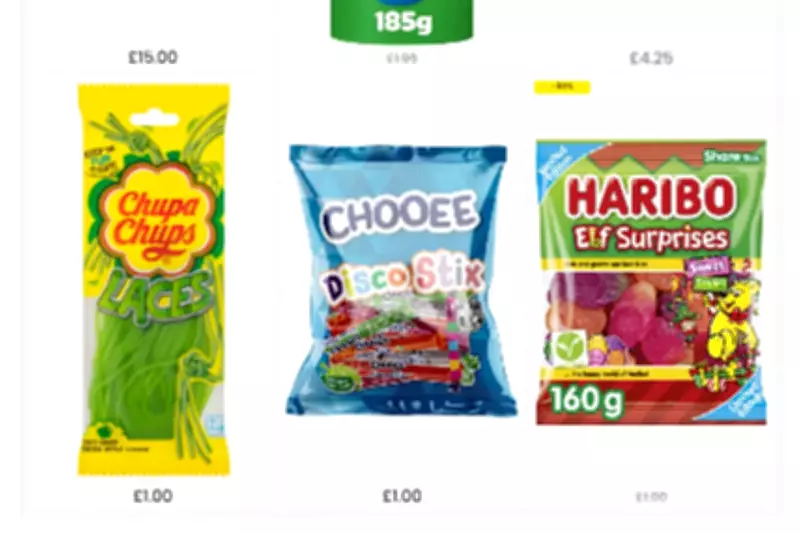
In a separate case, Iceland confirmed that two of their advertisements included several products classified as high in fat, salt, and sugar, such as Swizzles Sweet Treats, Chupa Chups Laces, Chooee Disco Stix, and Haribo Elf Surprises. However, they provided nutrient profile information showing that Pringles Sour Cream & Onion crisps featured in the ads were not considered high in fat, salt, and sugar. Additionally, items like Iceland's Luxury Aberdeen Angus Beef Roasting Joint, Vegetable Spring Rolls, Sticky Chicken Skewers, and Lurpak Spreadable Butter did not fall under the new restrictions. An Iceland spokesman attributed the inclusion of restricted products to a technical fault with a third-party supplier data feed.
Other Cases Cleared by the ASA
The ASA did not uphold complaints against other advertisements reviewed under the new rules. An Instagram post by influencer John Fisher, known as Big John, promoting menu items at a new German Doner Kebab outlet was cleared because the specific items shown were not classified as less healthy foods. Similarly, a television advertisement for On The Beach promoting free airport lounge access, which featured a boy taking a chocolate ring doughnut from a buffet, was cleared. The ASA determined viewers would interpret the ad as showcasing lounge amenities rather than promoting the doughnut itself.
Regulatory Perspective and Future Enforcement
ASA chief executive Guy Parker emphasised the regulator's role in impartially and independently applying the new rules, which reflect legal requirements. He stated that these initial rulings are crucial for understanding how the regulations function in practice and that the ASA will continue to enforce them using technology-assisted proactive monitoring. The Iceland spokesman noted that these rulings help clarify the application of the rules following initial confusion and debate surrounding the regulations.