For Britons, the ritual of making a proper cup of tea borders on the sacred, with the method of boiling water being a fundamental tenet. While the electric kettle reigns supreme in UK kitchens, the practice of microwaving water is common across the Atlantic. This cultural clash prompted one American expat to conduct a definitive experiment to see if the microwave method could ever measure up.
The Great British Tea Taste Test
Sarah, an American living in Britain, decided to put the two techniques to the test on 19 January 2026. Convinced there would be little difference, she performed a blind taste test for her British husband. She prepared two mugs: one with water heated in a microwave, and the other with freshly boiled water from an electric kettle.
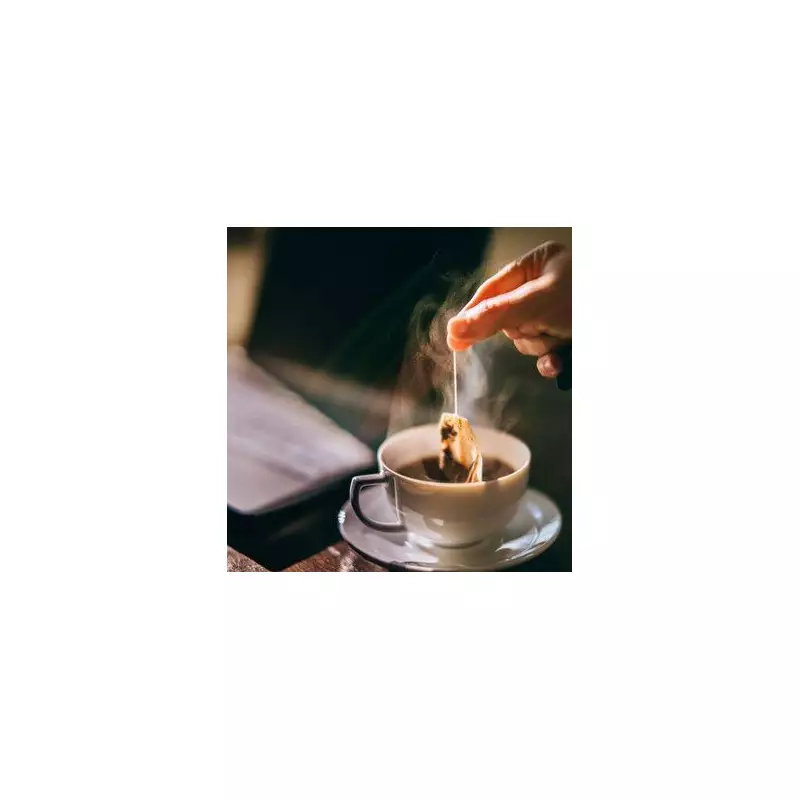
To ensure fairness, she transferred the microwaved water into a fresh mug to mask any temperature clues. She then placed identical teabags in both cups. However, Sarah immediately realised she was "wrong" as the brewing process began. The kettle-boiled water produced a vivid golden amber hue, while the microwaved cup developed a strange, unappealing white foam on the surface.

A Clear and Immediate Verdict
Despite attempts to skim off the froth, her husband identified the microwaved tea instantly after just one sip. He stated, "Sarah, I don't need to try the other one to know this has been microwaved." The remaining foam was a dead giveaway. Upon tasting the kettle-made brew, he confirmed it was not only superior in flavour but also hotter.
The experiment, shared on TikTok, drew swift and knowing reactions from commenters. Many pointed out that water from a kettle reaches a full, rolling boil at 100 degrees Celsius, essential for proper extraction. One user remarked, "Tea has to be made with water at 100 degrees Celsius and not a fraction cooler." Another added that freshly boiled water is aerated, contributing to a better taste, and advised against reboiling old water.
Safety Concerns and the Final Word
Beyond taste, several respondents highlighted a significant danger associated with microwaving water. It can create "superheated water" – water heated beyond its boiling point without bubbling. This can erupt violently when disturbed by a teabag or spoon, potentially causing severe burns.
To mitigate this risk, experts advise heating water in short intervals and placing a non-metallic object like a wooden stirrer or a pinch of sugar in the mug beforehand to break the surface tension. However, the unanimous conclusion from the test and public opinion was clear: for the perfect, and safest, cuppa, always use a kettle. And as a final piece of classic British advice: remember to drink it before it goes cold.