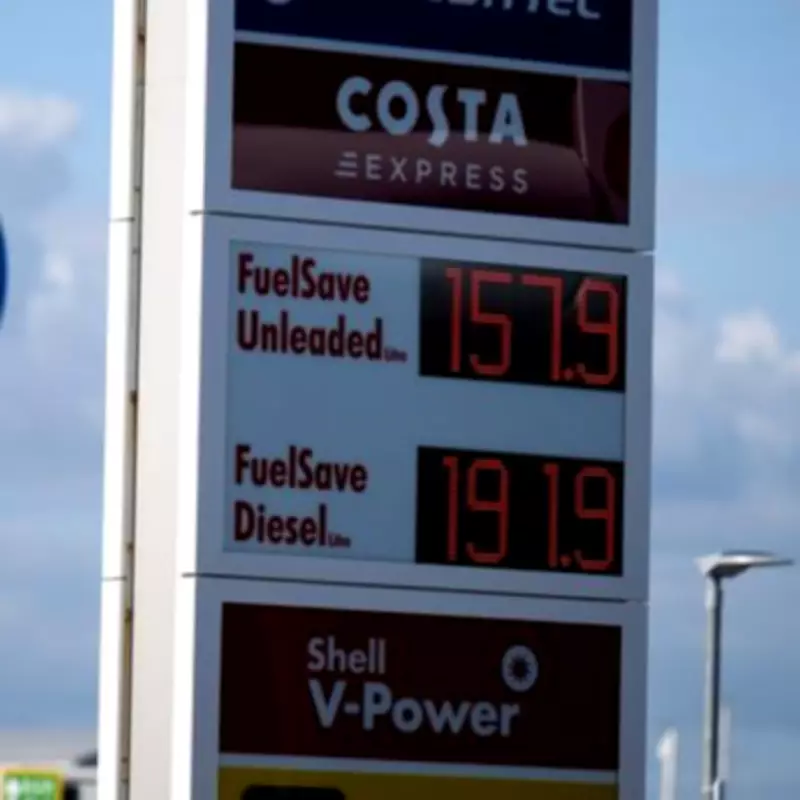
The RAC delivered what it described as an 'ominous' warning on Tuesday, alerting UK motorists to brace for further increases in petrol and diesel costs. Rocket-fuelled surges over the last two months, triggered by renewed conflict in the Middle East, have slowed in recent weeks, though prices remain stubbornly high compared to pre-conflict levels.
Price Surge Since February
Spikes in oil prices stemming from the conflict, following American and Israeli military action against Iran at the close of February, sent costs soaring. Petrol climbed roughly 20p per litre from pre-war levels, while diesel jumped around 50p, substantially inflating the expense of refuelling.
RAC head of policy Simon Williams commented: 'April proved to be a month of two halves for fuel prices. The first half saw pump prices climb ever higher, with petrol rising nearly 5p to an average of 158.31p on April 15 and diesel by more than 7p to 191.54p.'

Brief Respite in Late April
'But, more positively for drivers, the second half of the month saw them drop back slightly, with petrol coming down over a penny and diesel 3p by the end of April. Interestingly, we note that prices in Northern Ireland reduced more quickly compared to the UK averages, with unleaded coming down by almost 4p and diesel by nearly 10p a litre,' Mr Williams added.
Yet that respite may prove short-lived as May progresses, Mr Williams cautioned.
Ominous Outlook for May
He continued: 'The outlook for the first couple of weeks of May, however, is more ominous. Wholesale petrol and diesel prices jumped by around 5p a litre last week and are now at their highest since the war began.'
'This hasn't yet been reflected at the pumps - petrol is up by just a fraction of a penny so far this month and diesel has continued to slowly drift downwards.'
'But if oil prices, and in turn wholesale fuel prices, remain at elevated levels over the coming weeks, then future price rises at forecourts are all but inevitable. We urge drivers to continue to shop around for fuel and make good use of free apps such as myRAC to ensure they never pay any more than they need to when they fill up.'