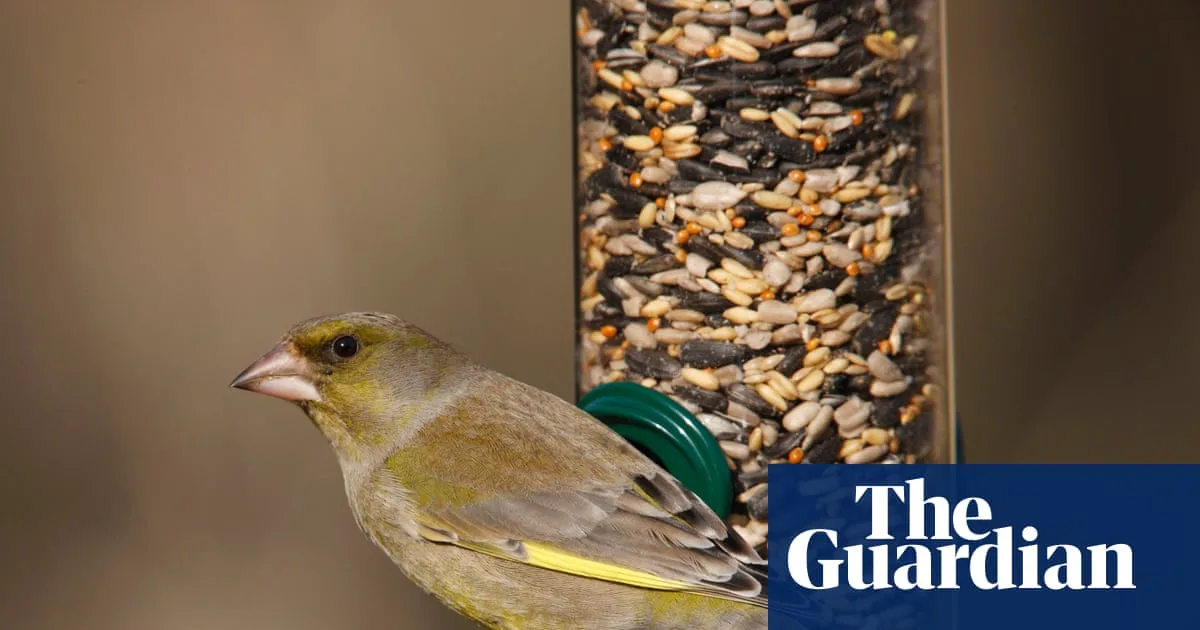
The RSPB has advised garden bird enthusiasts to stop using seed and nut feeders during the summer months to reduce the spread of trichomonosis, a parasitic disease that has severely impacted greenfinch populations. The charity recommends replacing these feeders with small amounts of mealworms, fat balls, or suet from 1 May to 31 October, as these protein-rich foods do not attract large clusters of finches and help birds feed their chicks.
Trichomonosis, which is transmitted through saliva at feeders, poses a greater risk in warmer weather when the parasite survives longer. The disease has led to an estimated 6 million deaths among greenfinches and chaffinches in recent years. The greenfinch, now on the red list of endangered British birds, has declined by 67% since the Big Garden Birdwatch survey began in 1979.
Beccy Speight, chief executive of the RSPB, emphasised that the goal is not to stop feeding birds but to do so safely. “By making small changes together, we can ensure garden feeding continues to be a positive force for nature,” she said. The RSPB also advises cleaning and moving feeders weekly, changing water daily, and retiring bird tables and flat-surfaced feeders where disease spreads more easily.

In winter, seed and nut feeders can be used again. The charity also encourages planting bird-friendly gardens with sunflowers, teasels, and ivy to provide natural food sources and support insects for chicks. This year's Big Garden Birdwatch, with 650,000 participants, recorded the house sparrow as the most common bird, followed by the blue tit, starling, wood pigeon, and blackbird.