The chief executive of South East Water, David Hinton, is facing intense scrutiny and calls for his departure as the company grapples with a dual crisis of severe water outages and mounting questions over executive pay. Thousands of households in Kent and Sussex have been left without running water for days on two separate occasions in recent months, prompting regulatory action and rare public criticism from the utility's own shareholders.
Regulatory Scrutiny and Shareholder Revolt
In an unprecedented move, the water regulator Ofwat has opened a first-of-its-kind investigation into whether South East Water complied with its obligations to provide high standards of customer service and support. This probe was announced just one day after Environment Secretary Emma Reynolds called for a review of the company's operating licence.
Perhaps more damningly, the company's shareholders have broken their usual silence. NatWest Group's pension fund, which owns a 25% stake, stated it was extremely concerned by the impact on customers and pledged to use its influence to direct the board to ensure full resolution of the issues. While not an explicit demand for resignations, the statement signalled deep dissatisfaction at the highest levels of ownership.

A Troubled Financial Picture and Lavish Incentives
The shareholder alarm is understandable given recent financial injections. Investors pumped £200 million in fresh equity into the company in May, following a £75 million cash call in December 2024, to shore up an overstretched balance sheet. Despite this, the company's latest annual report warned it needed a more favourable regulatory settlement to fulfil its purpose as a public water provider.
In a further financial setback, South East Water sought an 18% bill increase from the Competition & Markets Authority (CMA), appealing Ofwat's original settlement. The CMA's provisional finding allowed only a 4% rise, with a final decision pending.
Against this strained backdrop, Hinton's remuneration package has sparked outrage. As revealed, the board awarded him a performance-free £400,000 retention payment, contingent on him staying in his role for five years. Simultaneously, his annual salary was increased by 30% to the same £400,000 level, and a long-term incentive scheme worth 150% of salary was reintroduced. He also received a one-off £50,000 cash allowance for work on the CMA appeal.
Communication Failures and Mounting Penalties
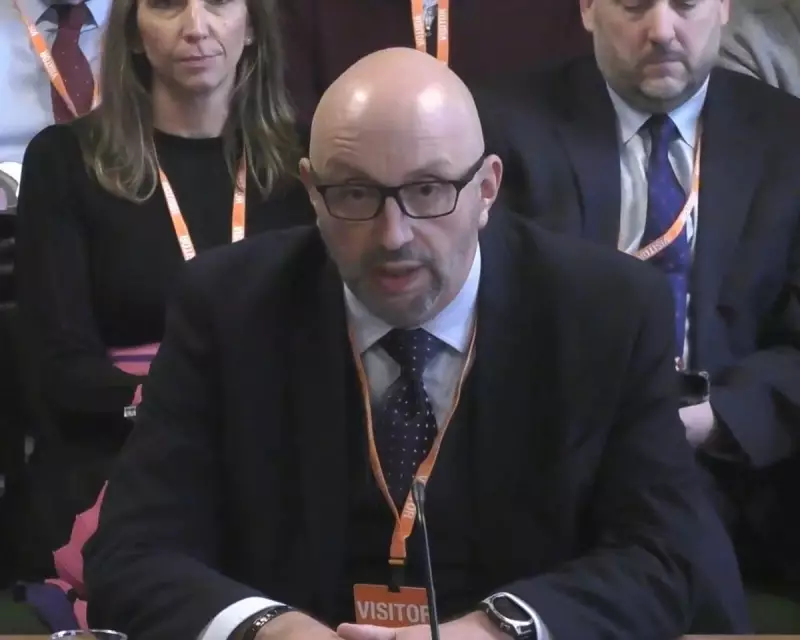
Hinton has been criticised for his handling of the crisis, particularly his communication. Appearing before MPs this month, he gave his company's performance an eight out of ten, a rating few outside observers would endorse. He also admitted a reluctance to give media interviews, fearing distracting questions about his pay or shareholder dividends.
Separately, Ofwat is conducting an engineering-focused investigation, launched in 2023, into whether the company failed to maintain an efficient water supply system. The outcome is due within weeks. With potential penalties accumulating from multiple probes, the pressure on Hinton's position is becoming unsustainable.
With the company's financial health, regulatory compliance, and public trust all in jeopardy, shareholders may conclude that installing new leadership is the only way to salvage their substantial investment and restore service to the beleaguered residents of Kent and Sussex.