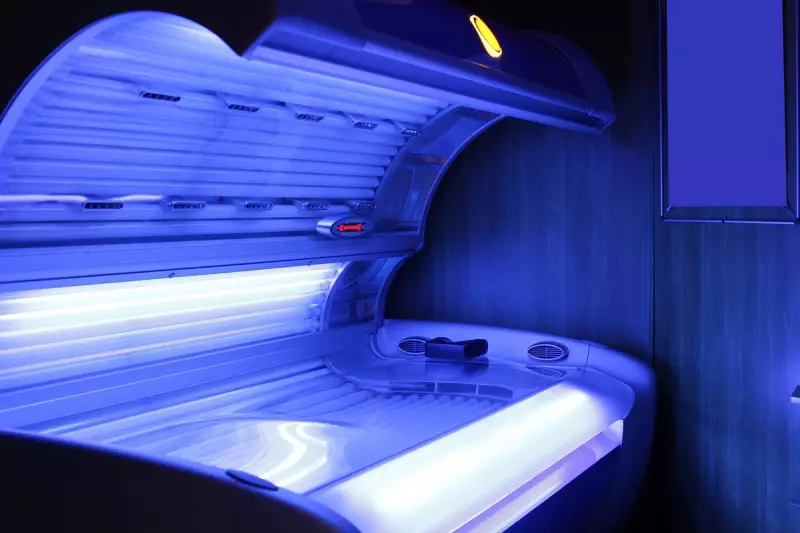
The Advertising Standards Authority has taken decisive action against five tanning companies, banning their advertisements for making misleading and irresponsible claims about the safety of sunbed use. This regulatory intervention comes amid growing public health concerns about ultraviolet radiation exposure and the persistent popularity of artificial tanning methods.
Problematic Claims in Banned Advertisements
Adverts for tanning studios The Sun Company, SunShine Co and Tanbox Towcester, along with those for Tan & Deliver Home Hire Sunbeds and Byrokko, were found to contain what the ASA described as "a number of problematic claims" regarding safety. The watchdog identified these advertisements using its sophisticated AI-powered Active Ad Monitoring system, which scans for potentially harmful marketing content across digital platforms.
Specific Misrepresentations Identified
The banned advertisements included several concerning assertions that directly contradict established medical advice. These included claims that:

- Sunbed use is completely safe or that tanning can be achieved without health risks
- Sunbeds could boost vitamin D levels significantly
- Artificial tanning could improve mood and energy levels
- Sunbeds could treat specific health conditions including seasonal affective disorder (SAD), psoriasis and eczema
The ASA emphasised that these advertisements were particularly irresponsible because they downplayed genuine health risks while presenting tanning as beneficial to health. Some adverts even implied that sunbeds could help manage medical conditions, potentially discouraging people from seeking appropriate medical advice or treatment from qualified healthcare professionals.
Public Health Concerns and Medical Evidence
These rulings arrive against a backdrop of significant public health concerns regarding ultraviolet exposure. Medical authorities have consistently warned about the dangers of artificial tanning methods. Long-standing advice from both the NHS and Cancer Research UK maintains that there is no safe or healthy way to obtain a tan using UV radiation.
Cancer Research UK provides specific warnings about sunbed technology, noting that these devices use high-intensity UV radiation for rapid tanning that can damage the DNA within skin cells. This cellular damage represents a significant risk factor for developing skin cancer, including melanoma – the most serious and potentially fatal form of skin cancer.
Medical statistics reveal that excessive UV radiation exposure represents the third biggest cause of cancer in the United Kingdom and serves as the primary cause of skin cancer nationally. These facts make misleading safety claims about sunbeds particularly concerning from a public health perspective.
Social Media's Role in Normalising Tanning
The ASA noted that some health experts have highlighted the role of social media platforms in promoting and normalising sunbed use, potentially contributing to the continued popularity of artificial tanning despite well-publicised health risks. This digital normalisation makes regulatory oversight of advertising claims increasingly important in protecting public health.
Regulatory Response and Company Reactions
The ASA has instructed all five companies that the banned advertisements must not appear again in any form. Furthermore, the regulator has mandated that future advertising from these firms must not suggest that sunbeds are safe, provide health benefits, or can be used to treat medical conditions.
Jess Tye, the ASA's regulatory projects manager, stated: "Given the serious dangers of UV exposure, it's vital that ads for sunbeds don't suggest that they're safe or offer health benefits. These rulings demonstrate that information about health in ads must be clear, accurate and responsible. Protecting people from misleading or irresponsible ads is at the heart of our work and we'll take action where ads break the rules by putting people at risk."

When approached for comment, The Sun Company responded: "We acknowledge the ASA's ruling in relation to an early social media post made shortly after opening. The specific content referenced in the ruling has been removed, and we have reviewed our advertising practices to ensure full compliance going forward. Customer transparency and regulatory compliance are important to us."
The remaining four companies have also been approached for their responses to the advertising bans, with regulatory compliance now becoming a significant concern for the tanning industry as a whole.