The Great British Poo Divide: Why Must Dog Owners Scoop But Horse Riders Can Leave It?
The Great British Poo Divide: Dog vs Horse Etiquette

A recent opinion piece in the Guardian has unearthed a simmering class and cultural conflict on Britain's rural footpaths and bridleways. The debate centres on a glaring double standard in animal waste etiquette: why must dog owners clean up after their pets, while horse riders are seemingly exempt?

The 'Seismic Shift' in Dog Ownership

Columnist Adrian Chiles recently traced what he called a "seismic cultural shift" in attitudes towards dog fouling. He noted that, starting from initiatives in places like New York, it is now socially unacceptable in the UK for dog owners to leave their pet's mess behind. Walkers in both town and countryside largely expect clear paths, with responsible owners armed with poo bags as a standard accessory.

Where the Revolution Stopped: At the Stirrup

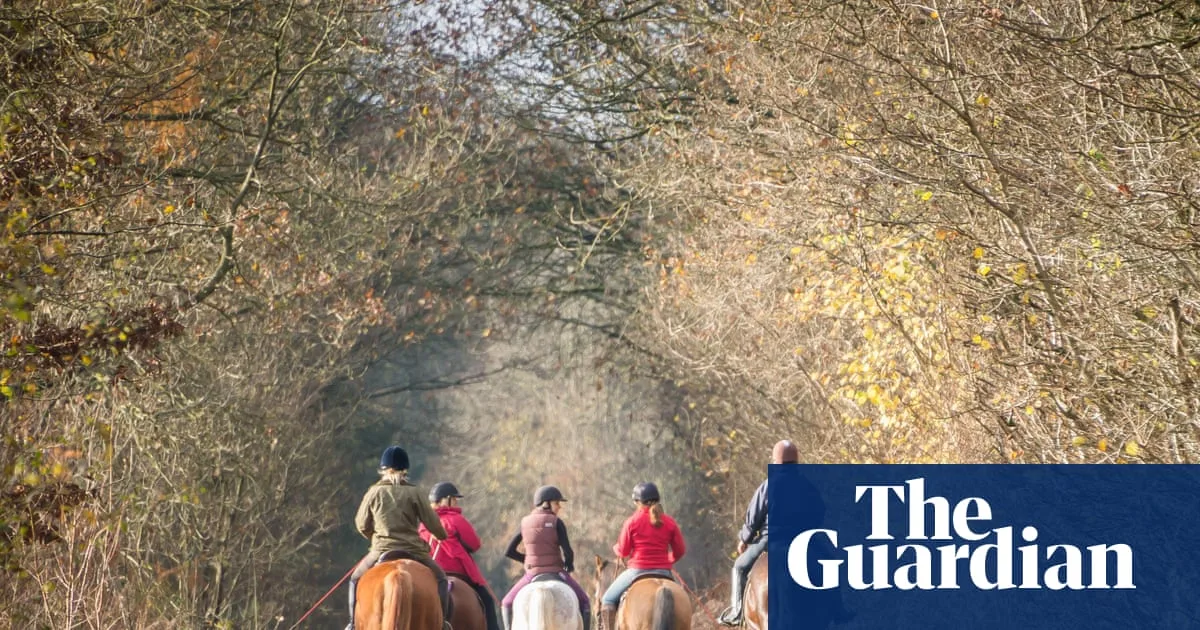
However, this revolution in civic duty appears to have a clear boundary. As highlighted by readers' letters responding to Chiles's column, the same rules do not apply to equestrians. Ros Ward from Durham pointed out that footpaths and bridleways are often made "impassable due to large dumps of horse manure." She questioned why owners of larger animals are permitted to leave "much larger, smellier and long-lasting heaps" on public rights of way.

The contrast was vividly illustrated by Dutchman Jan Veenstra, who was housesitting in rural England. While scooping his charges' dog waste, he watched a rider pass by, whose horse deposited a "steaming mountain of manure" directly on the track. The rider offered a polite nod and continued, leaving Veenstra to ponder the "Great British poo divide."

A Question of Convenience, Class, or Both?

The core of the argument lies in practicality and perception. While it is acknowledged that it is inconvenient for a rider to dismount and clear up, advocates for change suggest the duty could fall to riding stables or that solutions should be found. Veenstra's letter offered a more pointed social observation, suggesting the status of the "doo" depends on the owner's place in the class system, with the carefree "leave-it-where-it-lands" era of the 1950s enduring only for those with hooved beasts.

Proponents for cleaner paths look forward to a day when walkers can enjoy the environment free from hazards created by all animals, regardless of their size or the social standing of their owners. The debate, now sparked in the public forum, asks whether the era of unquestioned horse manure on public paths has finally reached its end.