Tipping has transformed into a veritable minefield for consumers, with a growing number of Britons and Americans expressing profound frustration as servers' demands for gratuities climb ever higher. This phenomenon, often dubbed 'tipflation', reflects a significant cultural shift where the expectation to tip has expanded far beyond its traditional confines.
The Rising Cost of Courtesy
In recent years, the landscape of tipping has undergone a dramatic transformation. Suggested gratuity percentages have steadily increased from a once-standard 15 percent to now frequently exceeding 20 percent. Concurrently, the array of services soliciting tips has broadened considerably, moving well past the realm of traditional sit-down dining establishments.
Customer Frustration Meets Server Grievances
Patrons have been increasingly vocal about their exasperation with these escalating expectations, feeling pressured into paying more for services that previously did not warrant a tip. However, servers and hospitality workers counter that they have their own substantial list of grievances, and they are particularly unimpressed by what they perceive as stingy diners.

According to insights from FinanceBuzz, which surveyed service industry workers about tipping habits they find most offensive, several practices once considered normal are now viewed as unacceptable. This highlights a stark divide in perception between those serving and those being served.
New Rules of the Tipping Game
Calculation Conundrums: A major shift concerns how tips are calculated. It was once customary to base the gratuity on the pre-tax total of a bill. Today, many servers assert that tipping on the pre-tax amount when dining out is considered rude, expecting the calculation to be made on the final, post-tax sum.
Coffee Shop Controversies: Coffee shops have emerged as a significant flashpoint in the tipping debate. A common pet peeve for baristas is when customers bypass the tip option on coffee orders. Even for transactions where customers walk to the counter to order and collect their drinks, staff argue that specialty beverages demand time, skill, and attention, meriting a gratuity accordingly.
Buffet Expectations: Patrons of self-service restaurants are not exempt from these new norms. Buffet workers now anticipate a tip for their efforts in stocking food stations and maintaining cleanliness, even in the absence of traditional table service. While a full 20 percent might not be expected, a small gratuity is increasingly seen as appropriate.
Navigating Service Scenarios
Servers also suggest that customers should consider adding a few extra dollars when dining with particularly challenging companions, such as a disruptive child or a difficult relative, to acknowledge the additional effort required.
Furthermore, encountering subpar service is no longer widely accepted as a valid reason to withhold a tip entirely. As noted by FinanceBuzz, "Servers are people, and people have bad days. There will be times when the service may not go above and beyond, but that doesn't mean you should tip $0. Instead, 15 percent should be seen as the minimum tip to help a server towards a living wage."
Major Tipping Taboos
The list of behaviours now deemed unacceptable in the tipping world is extensive and often surprising to consumers:

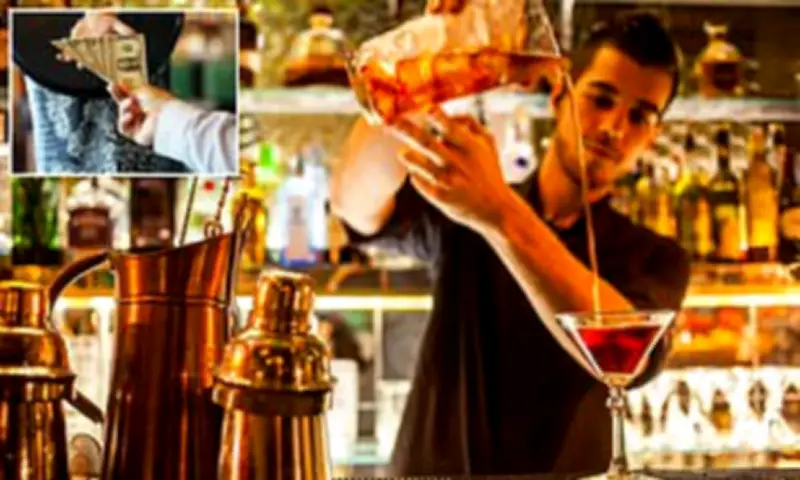
- Neglecting Bartenders: Failing to leave money for bartenders is considered a major faux pas. Staff emphasise that their role involves far more than simply pouring drinks, encompassing significant behind-the-scenes work.
- Coin Tipping: Offering a tip composed solely of coins is viewed as particularly disrespectful, adding an unnecessary annoyance for busy servers.
- Discount Dilemmas: Calculating a tip based on a discounted bill total is frowned upon. Servers expect the gratuity to be based on the original, pre-discount amount.
- External Issues: Withholding a tip due to problems outside a server's control—such as a menu item being unavailable or ambient issues like lighting—is also considered poor form.
- Takeout Tensions: Perhaps one of the most contentious areas is takeout. While a full 20 percent tip might not be standard, delivery drivers and restaurant staff still generally expect some form of gratuity for providing prepared food.
The Broader Impact of 'Tipflation'
All these instances collectively exemplify 'tipflation'—the expanding expectation to tip more frequently, across more types of services, and at higher percentages than ever before. This trend is not merely anecdotal; it is reflected in public sentiment.
A survey conducted last year revealed that approximately three-quarters of Americans believe tipping culture has spiralled out of control. The same research indicated that two in three Americans frequently engage in 'guilt tipping', feeling socially pressured to leave a gratuity even when they would prefer not to. This underscores the significant psychological and financial pressure that modern tipping norms are exerting on consumers, creating a complex and often stressful dynamic in everyday transactions.