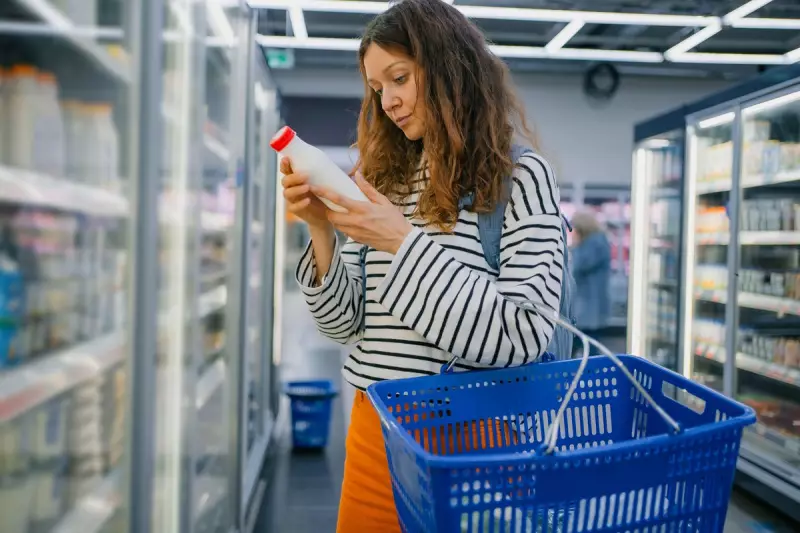
A new and largely unregulated marketing trend is sweeping supermarket aisles, directly targeting the growing number of Britons using GLP-1 weight-loss medications such as Wegovy and Zepbound. Foods and snacks branded with "GLP-1 Friendly" labels are appearing with increasing frequency, capitalising on the booming market for obesity drugs. However, dietitians are raising the alarm, noting that unlike the medications themselves, these labels face no official regulatory standards, leaving consumers to navigate potentially misleading claims.
The Nutritional Reality for GLP-1 Users
While the core nutritional needs of someone on a GLP-1 drug are similar to the general population's, the crucial difference is one of volume. "Every bite needs to be nutritious," emphasises Shannon Christen, a dietitian and diabetes educator. These medications work by suppressing appetite, meaning users often eat around 50% less than before treatment. Consequently, each meal must be packed with essential nutrients to maintain health during weight loss.
Experts highlight several key dietary focuses. Protein is paramount for preserving muscle mass, with recommendations suggesting 20-30 grams per meal. Fibre intake is also critical, not only for general health but to combat constipation, a common side effect of the drugs. Hydration requires special attention, as the medications can dull thirst signals. Conversely, foods high in sugar, saturated fat, or spice can worsen side effects like nausea and hinder progress.

Big Brands Jump on the Bandwagon
The commercial drive behind these labels is clear. With approximately 12% of U.S. adults now using a GLP-1 drug according to a late 2025 study, and similar uptake growing in the UK, food companies are keen to capture this dedicated market. Global giant Nestlé added a "GLP-1 Friendly" label to its Vital Pursuit frozen meal range following customer demand, reporting that 77% of purchases came from households not using the drugs, indicating broader consumer interest.
Other major players like Conagra have followed suit, applying the label to select Healthy Choice meals. The trend extends to food service, with chains like Smoothie King offering dedicated support menus. While some companies have sought approval for their labelling from relevant food standards bodies, authorities confirm there is no overarching legal definition for what constitutes "GLP-1 Friendly," creating a grey area.
Expert Warnings and Consumer Advice
Dietitians urge extreme caution. "Labels can be very misleading, making a person think it's healthier than it is," warns Samantha Snashall, a registered dietitian. She points to examples where a product marketed as suitable may still contain excessive sodium, saturated fat, or calories. For instance, one labelled pizza contained 18 grams of fat per serving, far above the under-10-gram threshold recommended by Christen to avoid aggravating side effects.
Some professionals, like food trends forecaster Suzy Badaracco, advise companies to avoid the term altogether due to the lack of standards and risk of confusion. Instead, she recommends clear communication of specific benefits like high protein, fibre content, and hydration. Christen offers a measured view, hoping responsible labelling could aid consumers but warning that "done poorly, it could trivialise the medical treatment and drift into diet culture marketing."
The consensus for consumers is clear: scrutinise the ingredient list and nutrition panel, not just the front-of-pack claim. Consulting a healthcare professional or dietitian for personalised advice remains the gold standard for those navigating weight loss with GLP-1 medications.