Natural Washing Machine Cleaner Test: One Method Outperforms Vinegar
As a lifestyle reporter who frequently covers cleaning topics, you might assume I enjoy the process more than I actually do. In reality, some household chores feel like a relentless struggle, especially when it comes to maintaining the very appliances designed to keep our homes clean. This personal challenge inspired me to conduct a hands-on experiment with three of the most widely recommended natural methods for washing machine upkeep, aiming to determine if any could truly deliver exceptional results.
The Persistent Problem of Musty Odours
Washing machines require a thorough clean at least once a month, a schedule I diligently try to follow. Despite my consistent efforts to maintain a spotless appliance, I recently found myself battling a persistent, unpleasant aroma emanating from the machine. The constant damp, musty, and mouldy scent was beginning to cling to my freshly laundered clothes, prompting a deeper investigation into effective solutions. Of the three natural methods tested, one emerged as the clear winner, and surprisingly, it was not the product I initially expected to triumph.
Baking Soda: The Initial Contender
Baking soda is a household staple frequently praised by cleaning enthusiasts for its versatile applications, including washing machine maintenance. Renowned for its ability to tackle tough stains and neutralise odours, it seemed a promising candidate. For this test, I poured a full cup of baking soda directly into the drum and ran an empty cycle on the highest heat setting for one hour. This process creates an intensely frothy soap mixture, with the hot water intended to eradicate any lingering germs or bacteria within the drum.

However, the results were mixed. While the drum appeared noticeably brighter after the cycle, residual dirt remained, and a distinct musty smell continued to permeate the machine. It became evident that baking soda alone was insufficient for a comprehensive clean.
White Vinegar: The Trusted Favourite
I have long been an advocate for using white vinegar in cleaning routines. This remarkable product, though its pungent aroma might make you wince, stands as one of the most effective natural cleaners available. I began this experiment convinced that vinegar would provide the ultimate solution, given its acetic acid content, which helps dissolve mineral build-up in washer drums and hoses. The acid should also assist in killing bacteria and fungi responsible for unpleasant smells.
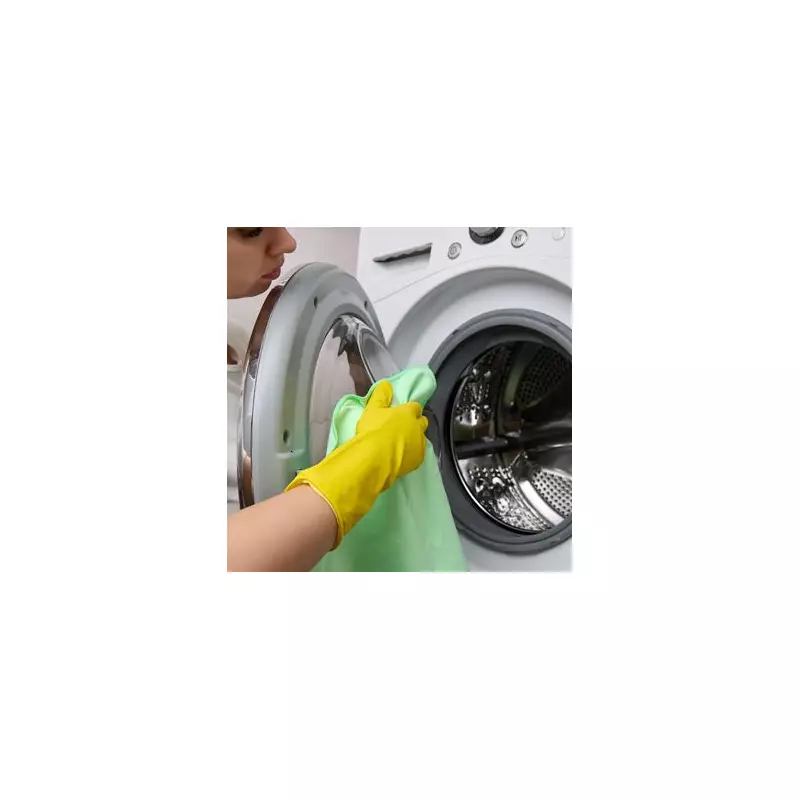
To clean the washing machine with vinegar, I first mixed equal parts warm water and clear vinegar, applying the solution to the rubber seal with a cloth and letting it sit for fifteen minutes. After rinsing the seal with a damp cloth and clean warm water, I added a cup of vinegar to the detergent drawer and initiated a hot wash cycle. This method performed significantly better than baking soda, yet some stubborn musty odours persisted, leaving room for improvement.
Soda Crystals: The Surprising Champion
While not as commonly discussed as white vinegar or baking soda in natural cleaning circles, soda crystals possess potent properties that make them a go-to for tasks like softening crusty towels or unblocking shower drains. For this test, I used at least 500 grams of soda crystals, as recommended for an effective washing machine clean, tipping half a bag into the drum and setting the machine on the same lengthy, hot wash cycle used previously.
The verdict was unequivocal: soda crystals emerged as the standout performer, particularly in banishing odours and providing a thorough clean of the rubber seal. My washing machine not only looked pristine but also smelled fresh, with no additional scrubbing or wiping required for the door or seal. Moreover, I observed that using soda crystals helped maintain the machine's cleanliness for a longer duration compared to the other methods, offering a more sustainable solution to a common household dilemma.