China Announces Record Low GDP Growth Target at National People's Congress
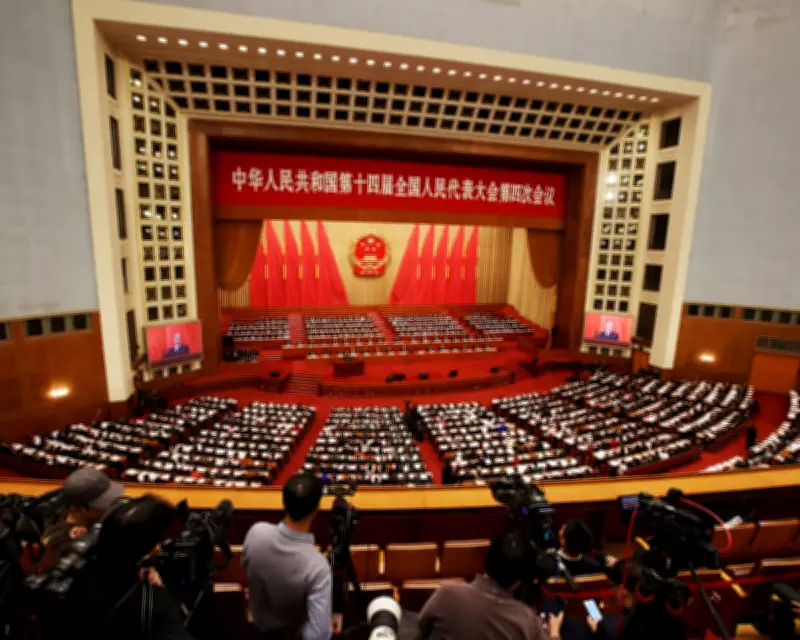
The National People's Congress (NPC), a key component of China's Two Sessions meetings, commenced in Beijing on Thursday, marking the start of the annual parliamentary gathering. During the opening session, Premier Li Qiang unveiled a GDP growth target of 4.5-5% for 2026, representing the lowest figure since 1991 and signalling a strategic pivot in the nation's economic approach.
Shift Towards High-Quality Growth Amid Complex Challenges
In his address to nearly 3,000 delegates at the Great Hall of the People, Li Qiang described 2025 as a "truly remarkable" year characterised by "profound and complex developments both at home and abroad." The reduced GDP target reflects Beijing's emphasis on "high-quality growth," which prioritises hi-tech industries and structural reforms over traditional drivers like construction and exports. This move comes as China faces significant economic pressures, including an ageing population, a struggling property sector, weak domestic demand, and the natural slowdown associated with advancing income levels.
Dan Wang, China director for the political risk consultancy Eurasia Group, noted that this year is crucial for structural reform. She highlighted that China is leveraging a one-year trade truce with the United States to refocus its economy away from export-led growth, while the lower GDP target indicates a "higher tolerance for unemployment." Li Qiang also set a 5.5% target for urban unemployment and pledged to create over 12 million new urban jobs, aligning with previous years' objectives.

Economic Priorities and Global Context
The NPC will review the 15th five-year plan, an economic and strategy document covering 2026-2030, underscoring the long-term vision behind these adjustments. Despite the trade war's disruption to global supply chains, China concluded last year with a record $1 trillion trade surplus. Li Qiang emphasised that "financial and economic discipline" will be a priority for 2026, alongside efforts to boost domestic demand. Economists argue that stimulating consumption is essential for China's long-term stability, a shift from the historical focus on heavy industry.
Experts warn that the transition to hi-tech industries may pose risks to millions of blue-collar workers, highlighting the challenges of this economic reorientation. The trade truce with the US, agreed in October, includes further negotiations expected this month ahead of an anticipated visit by US President Donald Trump to Beijing on 31 March. This diplomatic context adds another layer of complexity to China's economic strategy as it navigates both domestic reforms and international relations.