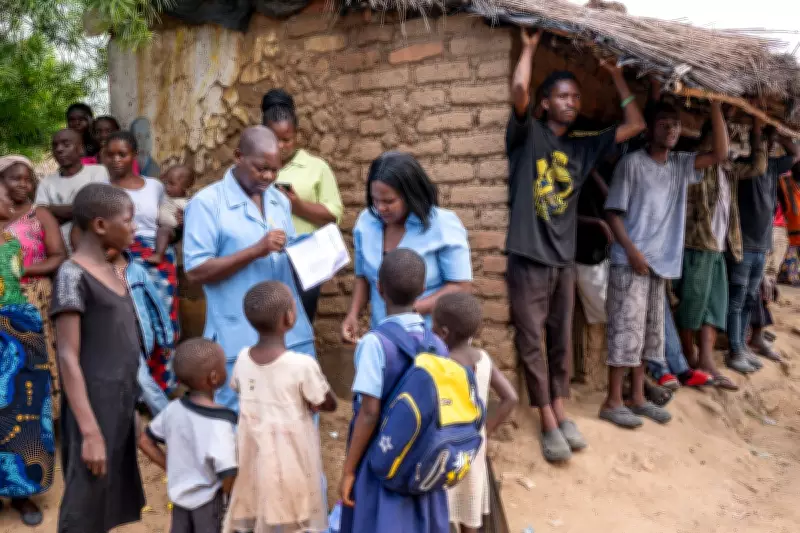
Malawi's Tax Reforms Stall Amid Health Funding Crisis After US Aid Cuts
Malawi has postponed the introduction of a new electronic tax reporting system following widespread protests by small business owners, as the government faces mounting pressure to raise funds in the wake of significant reductions in foreign aid and a struggling economy.
Protests and Postponement of Electronic Tax System
Thousands of traders shut their shops and marched last week in major cities including Blantyre, Lilongwe, Zomba, and Mzuzu, opposing the electronic invoicing system (EIS). This system would require businesses to report sales in real time to the tax authority. In response to the demonstrations, authorities have delayed the rollout until April.
Officials argue that the system will reduce tax evasion and broaden the tax base, but traders warn it could increase prices and threaten already fragile businesses grappling with high inflation and severe foreign-currency shortages.

Impact of US Aid Cuts on Health Services
External financing, such as aid, previously accounted for approximately 55 percent of Malawi's health budget. Before former US President Donald Trump slashed American aid spending, Malawi received hundreds of thousands of dollars annually across key sectors like health, agriculture, and education. The loss of this funding has already led to reductions in HIV services and raised concerns about the continuity of antiretroviral drug supplies.
Challenges in Tax Collection and Economic Strain
Tax collection has long been a challenge in Malawi, where a large informal economy and historical reliance on donors have reduced both the need and capacity to enforce compliance. Additionally, a ruling by the country's Supreme Court of Appeal, ordering the government to pay a significant sum over the suspension of the Finance Bank of Malawi, has drawn criticism from the governance watchdog CDEDI. The group warns this payout could push the country deeper into crisis, potentially forcing further tax increases or borrowing.
According to CDEDI, the government collects only about half of its roughly 8 trillion kwacha (approximately £325 million) budget in tax revenue, relying heavily on debt. They caution that the payout could reduce funds for essential services like hospitals, schools, and salaries.
New Tax Measures and Economic Context
To raise money, authorities have introduced higher income and value-added taxes, levies on mobile money and bank transfers, taxes on gambling winnings, and renewed duties on imported cement. Other proposals include taxes on pensions and inheritance. Finance Minister Joseph Mwanamvekha has urged citizens to "remain resilient" as the country works to stabilise its finances and improve revenue collection.
These measures come amid a challenging economic environment, with fuel prices rising by more than 40 percent, inflation remaining high, and businesses facing severe foreign-currency shortages. This forces importers to buy dollars on the black market at rates far above the official exchange.
Broader Shift in Funding Strategies
Malawi already spends about 90 percent of its domestic revenue on wages and legal obligations, leaving limited funds for health and social services that were previously funded by donors. Under a health agreement with the United States, the country must also spend $143 million (around £105 million) of its own funds on health over five years.
Across Africa, nations are attempting to replace declining aid with domestic taxes. In Malawi, the delayed tax system reflects a wider shift—from donor-funded services towards funding them domestically, during a period of significant economic hardship.