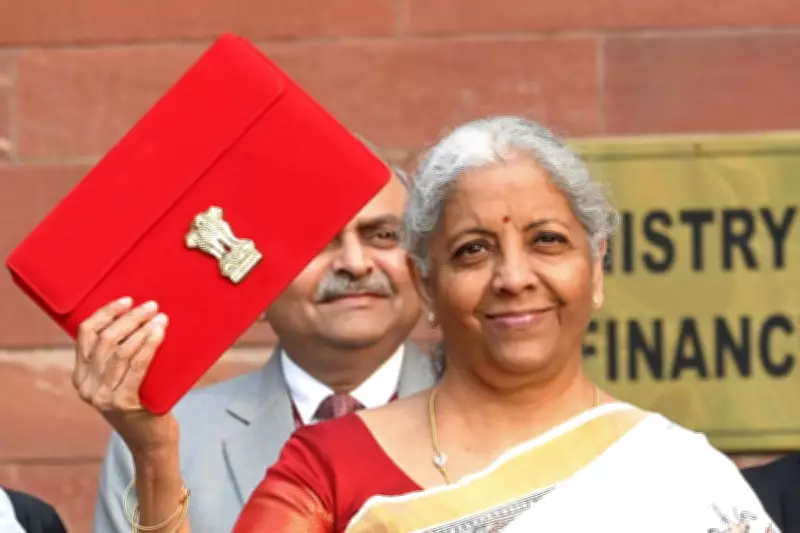
In a significant move aimed at bolstering economic momentum and addressing public sentiment, Prime Minister Narendra Modi's administration has unveiled its annual budget for India. Presented to Parliament by Finance Minister Nirmala Sitharaman, the fiscal plan delivers substantial income tax relief for the salaried middle class while prioritising growth in key sectors like agriculture and manufacturing.
Tax Reforms to Empower Households
Central to the budget announcement is a series of transformative reforms in taxation designed to increase disposable income for millions. Finance Minister Sitharaman confirmed that the starting point for income tax liability will be raised dramatically to $14,800, up from the previous threshold of $8,074. This adjustment is projected to leave significantly more money in the hands of middle-class earners.
The government intends to introduce a new income tax bill imminently, with Sitharaman emphasising that the revised structure will enhance household consumption, boost savings rates, and stimulate private investment across the economy. This policy shift arrives as Prime Modi, now in his third term, faces mounting pressure to alleviate discontent among the middle class and generate more employment opportunities to sustain long-term growth.

Addressing Economic Headwinds
The budget presentation comes against a backdrop of economic challenges for the world's fifth-largest economy. India is anticipated to record its slowest growth rate in four years, hampered by a sluggish manufacturing sector, persistent food inflation, stagnant job creation, and weak urban consumption patterns.
Official forecasts from the chief economic advisor, released just prior to the budget, project economic growth between 6.3% and 6.8% for the upcoming fiscal year. Notably, youth unemployment stood at 7.5% in January, highlighting the ongoing difficulty of delivering sufficient jobs in a nation of over 1.4 billion people.
Boosting Agriculture and the Gig Workforce
Beyond taxation, the budget outlines substantial support for the agricultural sector. A nationwide programme will be launched to promote high-yielding crops, with a particular focus on pulses and cotton production. This initiative is set to target at least 17 million farmers directly.
Furthermore, the limit for subsidised credit offered to farmers will be increased from $3,460 to $5,767, providing greater financial flexibility and support for productivity enhancements.
In a landmark move for India's evolving labour market, the government plans to formally register gig economy workers and improve their access to healthcare services. This will involve issuing official identity cards and maintaining a comprehensive national registry to ensure their inclusion in welfare initiatives. Estimates from government think tank NITI Aayog suggest India's gig economy could employ more than 23 million people by the end of the decade.
Investing in Innovation and Clean Energy
The budget also earmarks funds for innovation and infrastructure development. A new startup fund has been announced, with additional capital allocated to foster innovation through public-private partnerships. Programmes to push manufacturing and exports are also on the agenda, as the government seeks to raise manufacturing's share in the economy closer to its 25% target from the current level of around 17%.
Tourism-led employment in several states will receive a boost through enhanced funding for infrastructure and connectivity projects. In a major energy policy announcement, Sitharaman revealed the Nuclear Energy Mission, which aims to drive India's transition toward cleaner power sources. The mission has an ambitious goal of developing at least 100 GW of nuclear power capacity by the year 2047.
Throughout her budget speech, Finance Minister Sitharaman reiterated the government's commitment to an inclusive growth path, aiming for a fiscal deficit of 4.4% of GDP for the 2025-26 financial year. The overarching theme remains clear: stimulating economic activity by empowering consumers, supporting critical industries, and investing in the nation's future energy and innovation landscape.