Frozen yogurt is staging an unlikely comeback, and this time, it is less about neon toppings bars and self-serve chaos. Instead, a new wave of premium, health-conscious, and chef-driven concepts is fueling what insiders are calling a full-blown 'fro-yo boom.' From Brooklyn to Miami, brands are doubling down on the tangy treat, betting that modern consumers want something lighter, fresher, and just a little bit virtuous.
But beneath the buzz is a deeper story: many of the brands leading today's resurgence are not new at all. They are survivors. While early-2010s giants like Yogurtland, 16 Handles, and Pinkberry once dominated the category with sugar-heavy formulas and assembly-line toppings, a smaller group of founders took a different path—one rooted in craftsmanship, ingredient quality, and a clearly defined point of view. More than a decade later, those decisions appear to be paying off.
Van Leeuwen's Frozen Yogurt Journey
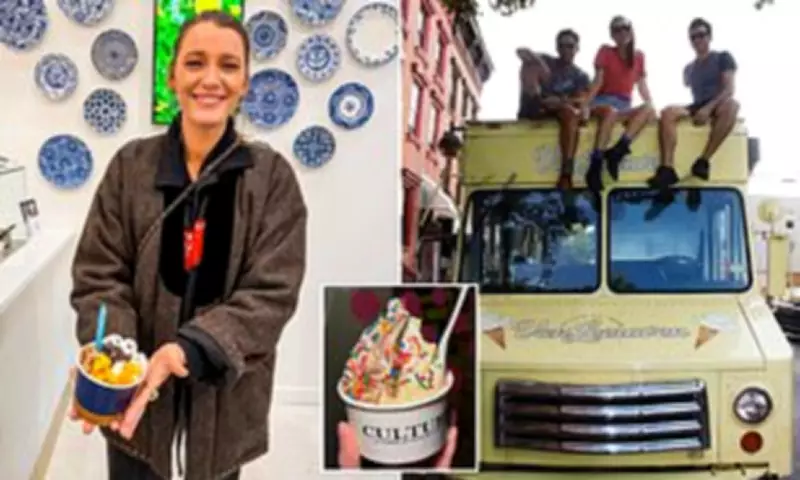
'We saw how popular it was and thought, 'Let's just focus on that,'' Ben van Leeuwen, co-founder of Van Leeuwen Ice Cream, told the Daily Mail, describing the company's recent push into frozen yogurt after years of hesitation. Long before frozen yogurt entered the picture, Van Leeuwen was built on a far scrappier idea—bringing high-quality, artisanal ice cream to the streets of New York. The company famously launched with just $60,000 borrowed from friends and family, enough to buy and convert two mail trucks into ice cream vans, before opening its first brick-and-mortar shop in Greenpoint around 2011.

Even as the brand scaled nationally, frozen yogurt lingered as an unrealized idea. 'We tried launching it in the middle of January with no marketing, and it didn't work,' van Leeuwen admitted of an early attempt. Now, the company has gone 'full steam ahead,' opening an innovation hub in Brooklyn to test new ideas weekly and rolling out frozen yogurt across multiple locations. The timing, he suggested, is no coincidence. 'On really hot days, sometimes I'm just not in the mood for our ice cream,' he said. 'Fro-yo hits differently.'
That willingness to evolve—not just with consumer tastes, but with broader cultural shifts toward health and balance—may be part of what separates today's leaders from the brands that faded. Van Leeuwen's frozen yogurt leans into simplicity: organic Bulgarian yogurt, milk, sugar, and a short list of carefully sourced ingredients, deliberately avoiding the stabilizers and additives that once defined the category.
Culture: A Commitment to Authenticity
A similar ethos has quietly sustained Culture, the Brooklyn-based shop founded by Gino and Jenny Ammirati, who also spoke to the Daily Mail. The couple opened their Park Slope location in 2011, at the height of the original fro-yo craze—but Culture was starkly different from its competitors. The idea for the shop actually started years earlier, when Gino began making yogurt at home after living in Barcelona, where he was struck by the quality and simplicity of the yogurt culture there.
'We never set out to be a typical fro-yo shop,' Gino said. 'This is real yogurt—not a mix.' Instead, Culture makes its yogurt from scratch using fresh milk sourced from New York farms, emphasizing traditional fermentation and live cultures. That commitment to process and product has helped the brand endure long after many of its contemporaries disappeared. Jenny, who trained in pastry, developed many of the shop's toppings herself—from baked goods to cookies—pairing them with the yogurt in a way that feels more like a composed dessert than a DIY bar.
'When people eat it regularly, they notice how they feel,' Jenny added, pointing to growing consumer awareness around gut health and probiotic-rich foods. Transparency has also been key to the brand's appeal. At their larger location, customers can actually see yogurt being made on-site, reinforcing that it is produced fresh, not poured from a pre-made mix.
For both brands, the product is only part of the equation. Just as important is the environment they have created—spaces that function less like fast dessert counters and more like modern 'third places,' where customers gather, linger, and return. The concept sits at the intersection of a few trends: the health-conscious side, but also the shift away from traditional nightlife.

That shift is increasingly visible across New York, where lines regularly stretch out the door on warm days—and where frozen yogurt's flexibility continues to drive its appeal. Customers can keep things simple with fruit and granola or lean fully into indulgence with chocolate, pastry elements, and sauces. 'You can make it as healthy or as indulgent as you want,' Jenny said. Even the lines have become part of the experience. On opening days, friends once jumped behind the counter to help serve crowds, and today the team is expanding to a second nearby location to keep up with demand while staying rooted in the same neighborhood.
Go Greek Yogurt: Mediterranean Lifestyle
Into this evolving landscape steps Go Greek Yogurt, another brand with roots that predate the current boom but ambitions firmly set on its future. Founded in 2012 by David Subotic, Tanja Subotic, and Jonathan Williams, the company has built its identity around the Mediterranean lifestyle, positioning itself as more than just a dessert shop. Go Greek Yogurt emphasizes intentional living, clean-label ingredients, and the Greek concept of 'meraki,' or creating with passion.
Its menu reflects that philosophy, offering customizable yogurt and frozen yogurt bowls in flavors like Plain Tart, Greek Honey, and Chocolate, alongside seasonal rotations and toppings ranging from fresh fruit to pomegranate, flax seeds, toasted coconut, and authentic Greek honey. The offerings are designed to be both indulgent and functional—high in protein and probiotics, and relatively low in sugar and calories—aligning closely with the same health-conscious trends driving the broader resurgence.
But like its peers, Go Greek's strategy extends beyond the cup. The company has developed a flexible expansion model that has allowed franchises to pop up everywhere from Miami to Dubai. The brand opened its first New York City location on April 12—its 20th globally—drawing lines that stretched for blocks as temperatures climbed. Julien Borbon, the company's director of strategy and growth, told the Daily Mail that the response underscored both pent-up demand and shifting consumer preferences. Even celebrities have taken notice, with Blake Lively among the brand's reported fans.
Go Greek is more than just frozen treats. Designed to evoke a traditional Greek taverna, its interior features Mediterranean-style tiles and even an olive tree, creating a warm, coastal-inspired atmosphere. Alongside its frozen yogurt, the shop also serves smoothies, fresh non-frozen Greek yogurt bowls, and savory options built with ingredients like olives, avocado, and Persian cucumbers.
Lessons for the Future
Taken together, these stories point to a broader pattern: the frozen yogurt brands that have survived—and are now expanding—are those that built something more durable than a trend. They did not rely on novelty alone; they created distinct identities, whether through ingredient sourcing, production methods, cultural storytelling, or physical spaces. In doing so, they moved frozen yogurt out of the realm of fad and into something closer to lifestyle.
That distinction may prove critical as a new wave of entrants rushes in to capitalize on the moment. Across New York and beyond, new fro-yo spots are leaning into cleaner ingredients, simpler recipes, and higher-quality toppings—often mirroring what the longtime players have been doing for years. The question now is whether those newer concepts can achieve the same staying power.
If the past decade is any indication, success in frozen yogurt is not just about being healthier—it is about being specific. Brands that know exactly what they are, and who they serve, have shown they can weather changing tastes, economic cycles, and shifting cultural habits. For Van Leeuwen, that has meant adapting—introducing frozen yogurt at precisely the moment consumer demand began to tilt in that direction. For Culture, it has meant staying the course, doubling down on a product that prioritizes authenticity over convenience. For Go Greek, it has meant translating a centuries-old culinary tradition into a scalable, modern format.
All three approaches are different. All three are working. And as frozen yogurt enters what may be its second act, it is becoming clear that the category's future will not be defined by the chains that once dominated it—but by the brands that reimagined what it could be. Or, as van Leeuwen put it: 'You want to give the market what it wants—but also offer something different.' Right now, what the market seems to want is something lighter, cleaner, and more intentional. Whether the next generation of fro-yo shops can deliver on that—and sustain it—remains to be seen.