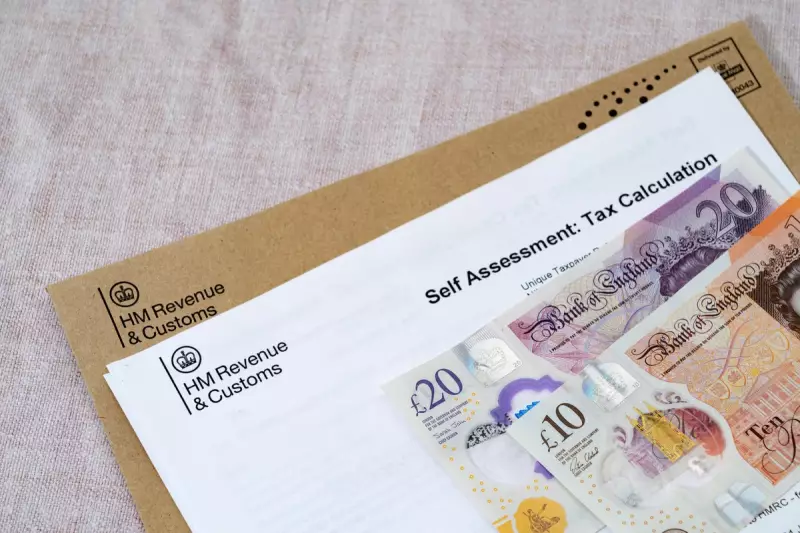
A historic number of British workers are set to be caught in a punishing tax trap next year, as wage growth and frozen thresholds push more people into a higher effective tax bracket.
What is the Six-Figure Tax Trap?
From April 2026, a record two million people are forecast to be earning over £100,000, with an additional 112,000 individuals expected to cross this threshold. The so-called "six-figure tax trap" affects earnings between £100,000 and £125,140, creating an effective marginal tax rate of 60%.
This unusually high rate occurs because the personal allowance—the amount you can earn before paying income tax—is gradually withdrawn for those earning above £100,000. For every £2 earned over this limit, £1 of the £12,570 personal allowance is lost.

The Hidden Costs for Middle-Earners
The financial impact extends beyond income tax. Parents with earnings above £100,000 also lose their entitlement to 30 hours of free childcare, a benefit that can be worth approximately £9,000 per year. This combination of tax and lost benefits means some individuals could lose up to 62 pence from each additional pound they earn within this band.
The surge in affected workers is largely driven by wage growth, inflation, and tax thresholds that have been frozen by the government. This phenomenon, known as fiscal drag, silently pulls more middle and higher-earners into tax brackets originally designed for the very wealthy.
Political Context and Denials
The figures emerge amidst political controversy. Chancellor Rachel Reeves has denied allegations that she misrepresented a Budget black hole to justify recent tax increases. The debate highlights the intense scrutiny on Treasury policy as the tangible effects of fiscal drag become apparent to millions of households.
With thresholds expected to remain frozen until 2028, experts warn that the number of people experiencing this sharp effective tax rate will continue to climb, placing a significant burden on professionals including senior teachers, NHS consultants, and experienced engineers.