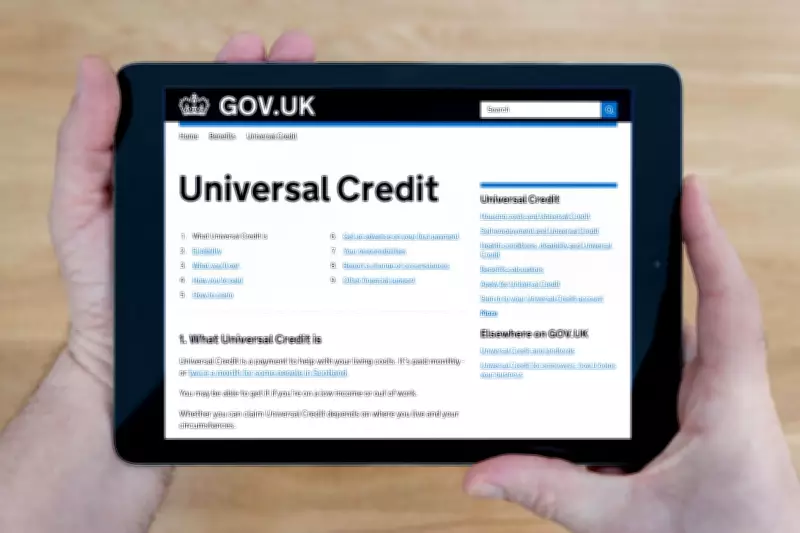
Over 300,000 Households Lose Benefits in DWP Universal Credit Migration
The Department for Work and Pensions (DWP) has implemented a significant change resulting in more than 300,000 households missing out on essential benefits. This development comes as part of the ongoing migration from legacy benefits to Universal Credit, a process the government aims to complete by the end of March 2026.
Details of the Benefit Loss
According to recent data, the DWP has stopped benefits for 356,521 households who failed to claim Universal Credit after receiving a migration notice. These households, previously reliant on legacy benefits such as tax credits and income support, have lost an average of over £1,000 per month by not responding to the DWP's invitation to switch. The financial impact is substantial, with many families facing increased hardship due to the sudden cessation of support.
Migration Progress and Risks
The government's migration effort has seen 1.9 million households successfully transition to Universal Credit out of 2.3 million notices sent. However, claimants who do not respond to the migration notice within three months risk losing transitional protection. This protection is crucial as it ensures that total payments do not decrease during the move, safeguarding against financial instability. Welfare experts strongly advise claimants to respond promptly to migration letters to avoid further losses.

Support and Resources Available
To assist with the process, the DWP is offering enhanced support and resources. Organisations like Citizens Advice are available to provide guidance and help claimants navigate the transition. The DWP encourages all affected individuals to seek assistance immediately to prevent additional benefit cuts and ensure a smooth migration to Universal Credit.
Future Implications
With the deadline for migration approaching, more households could face similar losses if they fail to act. The DWP's changes highlight the importance of timely responses to official communications, as delays can lead to significant financial repercussions. Stakeholders are calling for increased awareness and proactive measures to support vulnerable claimants through this critical period.