Nigel Farage has ignited a fresh political firestorm by reiterating his controversial stance that employers should be permitted to discriminate against job applicants based on their nationality. The Reform UK leader's comments, first made a decade ago, have drawn condemnation from anti-racism groups, trade unions, and peers who accuse him of championing prejudice.
Farage Doubles Down on Controversial 2015 Remarks
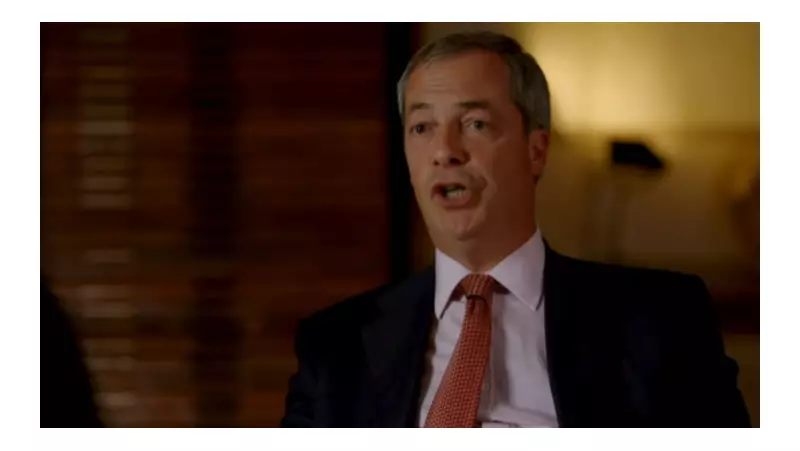
In 2015, while leading UKIP, Mr Farage told a Channel 4 documentary that it was "ludicrous" employers could not choose staff on the basis of nationality. He argued that much of the UK's discrimination legislation should be abolished, stating, "I think you should be able to choose on the basis of nationality, I do." He claimed his party was "colour-blind" and would remove laws against discrimination on grounds of race or colour.
This week, when questioned by The Mirror, Farage confirmed he stands by these remarks. "I don't in any way row back from the comments I made then," he stated. "I do think we should actually put British workers first. I genuinely do." This reopening of a decade-old row has placed the issue of workplace equality firmly back in the political spotlight.

Campaigners and Unions Voice Horror at 'Dangerous' Proposal
The response from equality campaigners and workers' representatives has been one of unified alarm. Dr Shabna Begum, chief executive of the Runnymede Trust, warned that Farage is pursuing a "dangerous line". She highlighted the increasingly contested notion of Britishness, noting a trend where people believe you must be 'born British' to be truly British.
"A person’s right to work should never be determined by the colour of their skin or their nationality," Dr Begum asserted. She described the proposal as a "deeply frightening trajectory" for Britons who may be deemed 'not British enough' and warned it validates an exclusionary notion of 'deservingness'.
Trade unions echoed this condemnation. TUC General Secretary Paul Nowak said: "Defending bare faced discrimination is a desperate move – even for Farage." Christina McAnea, UNISON's general secretary, accused Farage of being "no friend of working people" and consistently voting against fairness at work. She argued that ripping up anti-discrimination legislation would be a backwards step, helping neither the economy nor the majority of people.
Legal Foundations and Political Fallout
Such a policy shift would represent a radical dismantling of protections that have been in place since the Race Relations Act of 1965, which made it illegal to treat someone less favourably due to colour, race, or national origin. Green peer Natalie Bennett accused Farage of showing his true colours, stating: "It is clear that whatever party Nigel Farage is in, he will always wave the flag for prejudice and discrimination."
The controversy has also ensnared new Reform MP Nadhim Zahawi, who defected from the Conservatives this week. In 2015, Zahawi fiercely criticised Farage's original comments, comparing them to rhetoric that Nazi propagandist Joseph Goebbels "would be proud of". He wrote at the time that in "Farage’s Britain", people like him could be lawfully discriminated against, with businesses encouraged to bin their CVs.
Experts and critics agree that implementing such a policy would mark a profound and dangerous shift in UK employment law and social cohesion, directly challenging decades of progress in race equality.